June 2019

Get in a full barre workout for free at home, or anywhere. This is a great way to strengthen your lower body through endurance work and traditional barre exercises.

Hi friends! This is our Summer Shape Up barre workout. I hope you love this one. For the full Summer Shape Up details, check out our free 4-week fitness plan here. If you’re not officially participating in the challenge, no worries! Just pin this workout for when you’re looking for a barre routine, or give it a whirl the next time you’re working out at home.

Get in a full barre workout for free at home, or anywhere. This is a great way to strengthen your lower body through endurance work and traditional barre exercises.

Here’s the full follow-along video:


Watch Katie for postpartum and prenatal modifications. As always, check with a doctor before making any fitness changes.

Please let me know if you give it a try!

Check out the Week 2 Summer Shape Up Meal Plan.

xoxo

Gina

Video: Grant Hunker

Workout buddies: KatieMeredithRenée

Studio: Animas Tucson

More Summer Shape Up workouts:

Total body circuit (and video)

Upper body blast (and video)

Cardio Hills workout

The post Total Body Barre Workout (and video) appeared first on The Fitnessista.


During the last 25 years, we’ve certified over 110,000 professionals. To celebrate our 25th year in business, we’re selecting 25 grads to showcase this year. Meet our next featured grad, Tyler Kalisiak, an AFPA Certified Sports Nutritionist and Certified Strength & Conditioning Specialist, who's built a successful business working with athletes.


Let’s first discuss what the goals of a diet should be when you have type 2 diabetes. After all, if this disease that now affects tens of millions of Americans is simply allowed to progress, it means a future of heart disease, stroke, kidney failure, peripheral neuropathy, amputations, failing eyesight, gastroparesis, and an average of eight years taken from your lifespan.

So let’s agree that a diet for type 2 diabetes should:

  • Reverse insulin resistance—i.e., the process that leads to developing diabetes in the first place.
  • Reduce blood sugar and HbA1c (the long-term gauge of blood sugar)—that reflects a reduction in insulin resistance and less reliance on drugs and insulin
  • Reduce the potential for diabetic complications—stalling or avoiding heart disease, stroke, kidney failure, etc.
  • Reduce weight—People with type 2 diabetes are virtually all overweight or obese or have an excess of visceral fat that drives insulin resistance and inflammation.

Does the American Diabetes Association (ADA) diet that reduces fat/saturated fat, encourages grains, and does not limit sugar accomplish this? Absolutely not. In fact, the opposite typically occurs. This is because the ADA diet is crafted to increase blood sugars to allow prescription medications and insulin to be administered without causing hypoglycemia, low blood sugar. But the ADA diet does not reverse insulin resistance, does not reduce blood sugar or HbA1c, does not slow the development of diabetic complications, nor does it lead to weight loss. It does, however, allow you to take your diabetes medications and lead to progressively increasing reliance on medication to reduce blood sugar.

Does a low-fat diet do any better? Low-fat diets mean higher carbohydrate intake, typically from grain-based foods. As with the ADA diet, insulin resistance is not reduced, blood sugar/HbA1c are not reduced, diabetic complications are not slowed. There can be modest initial weight loss, but typically insufficient to make a big difference in diabetic measures.

Low-carb diets in their various forms—paleo, ketogenic, Atkins’, Wheat Belly/Undoctored—do indeed reverse insulin resistance, reduce blood sugar/HbA1c, reduce potential for diabetic complications, and allow substantial weight loss. It is not uncommon for type 2 diabetes to be completely reversed such that no medications or insulin are required with restoration of all diabetes measures back to normal.

But the best solution of all is to start with diet, then address the common deficiencies and health disruptions that plague people with diabetes and thereby stack the odds in favor of full restoration of  health that includes weight loss back to normal, full reversal of insulin resistance, relief from joint pain and skin rashes, more energy, better mood, restored libido, increased muscle mass and strength, greater bone density, freedom from heart disease, reduced potential for dementia. To achieve these more ambitious goals, we begin with diet, then correct nutritional deficiencies of nutrients that serve intrinsic human need such as iodine, magnesium, and vitamin D. We also address the substantial dysbiosis (disrupted bowel flora) that all diabetics share, including addressing small intestinal bacterial overgrowth (SIBO) and small intestinal fungal overgrowth (SIFO).

This is what we do in the Wheat Belly and Undoctored programs.


The post What’s the best diet for type 2 diabetes? appeared first on Dr. William Davis.


The short answer: No, absolutely not.

You’ll find no lack of conversations, however, that tell you to consume more oatmeal, nuts, garlic or soy to reduce total and LDL cholesterol, perhaps thereby avoiding statin drugs. Or add more fiber to your diet or take red yeast rice.

These foods and supplements do indeed reduce total and LDL cholesterol . . . but who cares? Don’t waste your time and energy on this useless exercise, especially efforts to reduce the absurd, outdated, imprecise calculated LDL cholesterol.

But doesn’t reducing LDL cholesterol, the “bad,” in particular reduce risk for cardiovascular events? It does to a minor degree, not to the degree doctors and Big Pharma tell you, wildly exaggerated benefits that are misleading statistical manipulations. But that is not the right question to ask.

A better question to ask: How can you reduce or eliminate risk for cardiovascular events? Answer: By quantifying, then correcting the factors that cause heart disease such as small LDL particles, excessive very low-density lipoprotein (VLDL) particles, postprandial (after-meal) lipoproteins, inflammatory factors, small intestinal bacterial overgrowth and the accompanying inflammation, insulin resistance, endogenous glycation, vitamin D deficiency, omega-3 fatty acid deficiency, iodine deficiency, and others. All of these factors can be quantified, then corrected—NONE require prescription drugs to do so. If, for example, a person’s LDL cholesterol (calculated–yes, LDL cholesterol is not measured, but calculated) was 133 mg/d (the average value for most people not on statins) and then we were to run a NMR lipoprotein analysis, the LDL particle number could be something like 1900 nmol/L. A NMR LDL particle number of 1900 mol/L is the equivalent of a LDL cholesterol of 190 mg/dl—much higher than the calculated value. This sort of discrepancy between the calculated LDL cholesterol and the LDL particle number is exceptionally common, the rule rather than the exception. Of that 1900 mol/L of total LDL particles, perhaps 1400 mol/L are the abnormal small particles that are oxidation-prone, more likely to adhere to the artery wall, are much more inflammation-provoking, and last 5-7 days in the bloodstream, rather than the 24 hours of large LDL particles. A calculated LDL cholesterol of 133 mg/dl suggests little risk for heart disease, while the NMR panel suggest substantial risk for heart disease. And that’s not even factoring in all the other factors that lead to heart disease such as insulin resistance and postprandial abnormalities.

Take a statin drug or eat foods that reduce cholesterol and you can reduce LDL particle number to, say, 1500 mol/L, reduce small LDL particle number to 1000 mol/L—small LDL particles are persistent and still comprise a similar proportion of total LDL particle number.

Eliminate wheat/grains and limit net carbs; restore vitamin D, magnesium, omega-3 fatty acids, and iodine; take efforts to cultivate healthy bowel flora—i.e., all the strategies we follow in the Wheat Belly and Undoctored lifestyles—and LDL particle number drops to something like 1200 nmol/L, small LDL drops to zero or other low value. While foods that reduce cholesterol and statins do little else to improve the other factors that lead to heart disease, the strategies we use address ALL of them: reduces VLDL particles, reduces the magnitude of postprandial lipoproteins, reduce inflammation, reverses insulin resistance, reduces endogenous glycation, corrects vitamin D and omega-3 fatty acid deficiency, etc.

In other words, consuming cholesterol reducing foods or statins do indeed reduce total and LDL cholesterol, but they do very little to address the constellation of phenomena that more powerfully drive heart disease risk. Follow the collection of strategies we follow in the Wheat Belly and Undoctored lifestyles and dramatic transformation of the entire landscape of factors that lead to heart disease are transformed. So eat more oats to reduce cholesterol? I hope you now appreciate how lame that is.

The post Should you eat cholesterol lowering foods? appeared first on Dr. William Davis.


Here’s an excerpt from chapter 4 of Wheat Belly Total Health, Your Bowels Have Been Fouled: Intestinal Indignities From Grains:

“A condition as pedestrian as constipation serves to perfectly illustrate many of the ways in which grains mess with normal body functions, as well as just how wrong conventional ‘solutions’ can be. Constipation remedies are like the Keystone Kops of health, stumbling, fumbling, and bumping into each other, but never quite putting out the fire.

“Drop a rock from the top of a building and it predictably hits the ground—not sometimes, not half the time, but every time. That’s how the bowels are programmed to work, as well: Put food in your mouth, and it should come out the other end, preferably that same day and certainly no later than tomorrow. People living primitive lives without grains, sugars, and soft drinks enjoy such predictable bowel behavior: Eat some turtle, fish, clams, mushrooms, coconut, or mongongo nuts for breakfast, and out it all comes that afternoon or evening—large, steamy, filled with undigested remains and prolific quantities of bacteria, no straining, laxatives, or stack of magazines required. Live a modern life and have pancakes with maple syrup for breakfast, instead. You’ll be lucky to pass that out by tomorrow or the next day. Or perhaps you will be constipated, not passing out your pancakes and syrup for days, passing it incompletely in hard, painful bits and pieces. In constipation’s most extreme forms, the remains of pancakes can stay in your colon for weeks. The combined effects of impaired CCK signaling, reduced bile release, insufficient pancreatic enzymes, and changes in bowel flora disrupt the orderly passage of digested foods.

Mastermind with Dr. Davis

“We are given advice to include more fiber, especially insoluble cellulose (wood) fibers from grains, in our diets. We then eat breakfast cereals or other grain-based foods rich in cellulose fibers and, lo and behold, it does work for some, as indigestible cellulose fibers, undigested by our own digestive apparatus as well as undigested by bowel flora, yield bulk that people mistake for a healthy bowel movement. Never mind that all of the other disruptions of digestion, from your mouth on down, are not addressed by loading up your diet with wood fibers. What if sluggish bowel movements prove unresponsive to such fibers? That’s when health care comes to the rescue with laxatives in a variety of forms, some irritative (phenolphthalein and senna), some lubricating (dioctyl sodium sulfosuccinate), some osmotic (polyethylene glycol), some no different than spraying you down with a hose (enemas).”

We know that opiate drugs such as Oxycontin and morphine are commonly constipating. There’s even a new drug being widely advertised to “treat” the constipation side-effect of opiates, Relistor, or methylnaltrexone, an opiate-blocker that requires injection and costs around $700 per month. Recall that the gliadin protein of wheat and related proteins in other grains (e.g., secalin in rye) are partially digested to peptides that have opiate (“opioid”) properties, including binding to the opiate receptors in the human intestine. Wheat and grains therefore contain a disrupter of intestinal motility, slowing the normal rhythmic peristalsis, or muscular propulsive activity, that leads to retaining the digestive remains of food in your intestines for days to weeks.

Yes, you could take an opiate-blocking drug to block the effect of gliadin-derived opioid peptides . . . or you could simply not ingesting foods that yields such opioids: wheat and grains.

The post Eat, Pray, Push appeared first on Dr. William Davis.


Listen to critics of the Wheat Belly lifestyle and you’d think that, by banishing all things wheat and grains from your life, you will be excommunicated from your church, tossed out of your club, ostracized by friends and family, and suffer dire health consequences like heart disease and colon cancer. After all, they say that you are eliminating an entire food group and will be crippled by lack of fiber and nutrients. Worse, our focus on increasing our intake of fats and oils will get you a heart attack, three stents, or bypass surgery and you’ll be obliged to take Lipitor and Repatha for a lifetime.

First of all, I challenge the notion that we are eliminating a food group. Recall that wheat and grains were added relatively recently (speaking anthropologically), around 12,000 years ago as einkorn wheat in the Fertile Crescent, millet in sub-Saharan Africa, rice from the swamps of Asia, and maize in Central America. I’ve previously discussed what happened to human health in each of those locales upon the consumption of these seeds of grasses: explosive tooth decay, a doubling of arthritis, iron deficiency, and other health effects. It means that we did NOT consume any seed of a grass plant for the preceding 3.5 million years. In other words, we have consumed wheat and grains for about 0.3% of our time on this planet and flourished. Just as we paid the price of acquiring zoonoses like tuberculosis and influenza upon the domestication of herbivorous ruminants, so we acquired a host of health problems with the incorporation of the seeds of grasses. Grains never belonged in the human diet in the first place—it was a mistake. If humans proliferated successfully for the first 99.7% of our time on earth without consuming grains, why would we need such a thing? There is no such need programmed into the human genetic code.

Will you become deficient in B vitamins with wheat/grain elimination, as many dietitians suggest? You would if you replaced wheat/grains with soft drinks and candy, as they often assume. But if you tabulate the intake of folate, riboflavin, vitamin B12, niacin, thiamine, etc. when you replace wheat/grains with avocados, salmon, eggs, spinach, legumes—i.e., real, whole foods, there is NO deficiency of B vitamins or any other vitamin. Typically, intake of these nutrients goes up with wheat/grain elimination. Increased control over appetite combined with the heightened taste perception of being wheat/grain-free also naturally causes you to gravitate back to real foods and away from synthetic processed foods.

And because you are eliminating the phytates of wheat and grains that bind minerals in your intestinal tract, making them unavailable for absorption, the levels of iron, zinc, calcium, and magnesium go up with wheat/grain elimination. This is why, for instance, even severe forms of iron deficiency anemia that previously required oral and injectable iron supplementation, even periodic blood transfusions, goes away within two weeks of banishing all grain phytates.

Will you become deficient in fiber with wheat/grain elimination? Alright, here is one area in which you could indeed fall short. Let’s first dismiss the notion that cellulose fiber is somehow crucial to health, including gastrointestinal health; it is not. Prebiotic fibers are absolutely necessary, however, fibers that you are incapable of digesting, but bacteria can that, in turn, convert prebiotic fibers to a wide range of metabolites with beneficial effects on human health. The average American eating a garbage-filled diet of processed foods that includes grains obtains around 5-8 grams of prebiotic fibers per day. Eliminate the arabinoxylan and amylose prebiotic fibers found in wheat/grains and prebiotic fiber intake is cut in half—this is indeed not good. For this reason we include sources of prebiotic fibers in the Wheat Belly and Undoctored lifestyles and aim not just to maintain the average prebiotic fiber intake, but achieve the ideal intake of 20 grams per day. We do so by mimicking the behavior of primitive humans who dig in the dirt for roots and tubers with intakes of prebiotic fibers of up to 130 grams per day, populations that have NO colon cancer, NO hemorrhoids, NO diverticular disease, NO type 2 diabetes, NO heart disease, NO stomach ulcers, NO inflammatory bowel disease, and obesity is rare.

Lastly, dietary fat intake has nothing to do with heart disease risk. The science never showed that it did. (Observational data did indeed suggest an association between dietary fat intake and cardiovascular risk, but observational data are disproven 80% of the time, as they do not represent real clinical studies.) Yes, cholesterol values, total and LDL, go up with fat intake, but cholesterol is not a cause for heart disease; the lipoproteins in the bloodstream, for which cholesterol was meant to be a crude marker, one so imprecise as to be nearly useless, their composition, size, number, surface conformation, duration of persistence in the blood, etc. are what determine whether you will have heart disease in your future. Quantify and characterize lipoproteins—widely available, accessible, inexpensive—and you will quickly see that fats have positive effects on lipoprotein patterns, while consumption of grans and sugars is disastrous with provocation of small LDL particles, increased VLDL particles, a drop in HDL particles and a shift towards less protective small HDL particles, and exaggerated postprandial (after-meal) lipoproteins, not to mention rises in blood sugar, insulin resistance, and inflammation.

So the question “Is it safe to be grain-free?” is a lot like asking “Is it safe to quit smoking cigarettes?” It is not only safe, but puts you on the path to magnificent health and slenderness.


The post Is it SAFE to be grain-free? appeared first on Dr. William Davis.



People new to the Wheat Belly lifestyle are often overwhelmed when they discover just how ubiquitous this cheap commoditized filler can be. In addition to obvious wheat-containing foods like breads, pasta, rolls, and cookies, there are literally thousands of products that contain hidden wheat ingredients: salad dressings, seasoning mixes, frozen dinners, sauces, etc.

But get the process of eliminating all wheat—or even better, all grains—and you can be rewarded with magnificent control over weight and health.

The post How to Become Wheat-Free appeared first on Dr. William Davis.


If you or someone close to you have an autoimmune condition such as rheumatoid arthritis, lupus, Hashimoto’s thyroiditis, Crohn’s disease or ulcerative colitis, along with about 195 others, there are a number of steps you can take that reduce, even eliminate the autoimmune inflammation damaging your organs. (Unfortunately, some forms of autoimmune damage cannot be reversed. Autoimmune loss of pancreatic beta cells that lead to type 1 diabetes, Hashimoto’s thyroiditis that damages the thyroid gland, or autoimmune hepatitis that can lead to cirrhosis. for example, cannot be reversed even if the autoimmune process is subdued.)

I break down the factors that cause or promote autoimmune diseases into:

  • Initiating causes—factors that begin the process
  • Permissive factors—factors that allow autoimmune inflammation to proceed after started by an initiating cause

The most important and common initiating causes are the gliadin protein of wheat and related proteins of other grains, including the zein protein of corn, and the casein beta A1 protein of dairy. Among the most important permissive factors are vitamin D and omega-3 fatty acid deficiencies.

Small intestinal bacterial overgrowth, SIBO, and small intestinal fungal overgrowth, SIFO, also enter the picture, acting as both initiating and permissive factors due to the marked increase in intestinal permeability with these conditions.

The Wheat Belly and Undoctored programs therefore address each and every one of these factors, tipping the scales in favor of minimizing or reversing autoimmune conditions and preventing the emergence of new conditions.


The post Autoimmune Disease: Start With Wheat & Grain Elimination appeared first on Dr. William Davis.


Let’s first discuss what the goals of a diet should be when you have type 2 diabetes. After all, if this disease that now affects tens of millions of Americans is simply allowed to progress, it means a future of heart disease, stroke, kidney failure, peripheral neuropathy, amputations, failing eyesight, gastroparesis, and an average of eight years taken from your lifespan.

So let’s agree that a diet for type 2 diabetes should:

  • Reverse insulin resistance—i.e., the process that leads to developing diabetes in the first place.
  • Reduce blood sugar and HbA1c (the long-term gauge of blood sugar)—that reflects a reduction in insulin resistance and less reliance on drugs and insulin
  • Reduce the potential for diabetic complications—stalling or avoiding heart disease, stroke, kidney failure, etc.
  • Reduce weight—People with type 2 diabetes are virtually all overweight or obese or have an excess of visceral fat that drives insulin resistance and inflammation.

Does the American Diabetes Association (ADA) diet that reduces fat/saturated fat, encourages grains, and does not limit sugar accomplish this? Absolutely not. In fact, the opposite typically occurs. This is because the ADA diet is crafted to increase blood sugars to allow prescription medications and insulin to be administered without causing hypoglycemia, low blood sugar. But the ADA diet does not reverse insulin resistance, does not reduce blood sugar or HbA1c, does not slow the development of diabetic complications, nor does it lead to weight loss. It does, however, allow you to take your diabetes medications and lead to progressively increasing reliance on medication to reduce blood sugar.

Does a low-fat diet do any better? Low-fat diets mean higher carbohydrate intake, typically from grain-based foods. As with the ADA diet, insulin resistance is not reduced, blood sugar/HbA1c are not reduced, diabetic complications are not slowed. There can be modest initial weight loss, but typically insufficient to make a big difference in diabetic measures.

Low-carb diets in their various forms—paleo, ketogenic, Atkins’, Wheat Belly/Undoctored—do indeed reverse insulin resistance, reduce blood sugar/HbA1c, reduce potential for diabetic complications, and allow substantial weight loss. It is not uncommon for type 2 diabetes to be completely reversed such that no medications or insulin are required with restoration of all diabetes measures back to normal.

But the best solution of all is to start with diet, then address the common deficiencies and health disruptions that plague people with diabetes and thereby stack the odds in favor of full restoration of  health that includes weight loss back to normal, full reversal of insulin resistance, relief from joint pain and skin rashes, more energy, better mood, restored libido, increased muscle mass and strength, greater bone density, freedom from heart disease, reduced potential for dementia. To achieve these more ambitious goals, we begin with diet, then correct nutritional deficiencies of nutrients that serve intrinsic human need such as iodine, magnesium, and vitamin D. We also address the substantial dysbiosis (disrupted bowel flora) that all diabetics share, including addressing small intestinal bacterial overgrowth (SIBO) and small intestinal fungal overgrowth (SIFO).

This is what we do in the Wheat Belly and Undoctored programs.


The post What’s the best diet for type 2 diabetes? appeared first on Dr. William Davis.



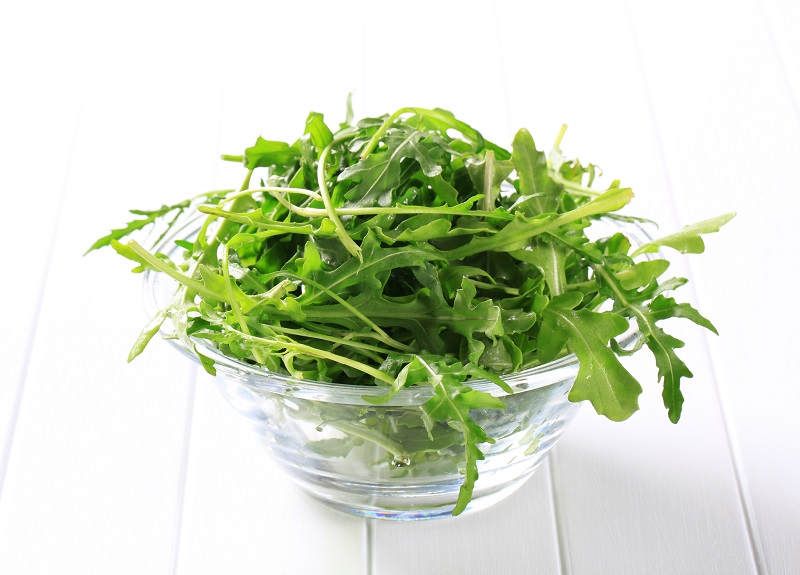
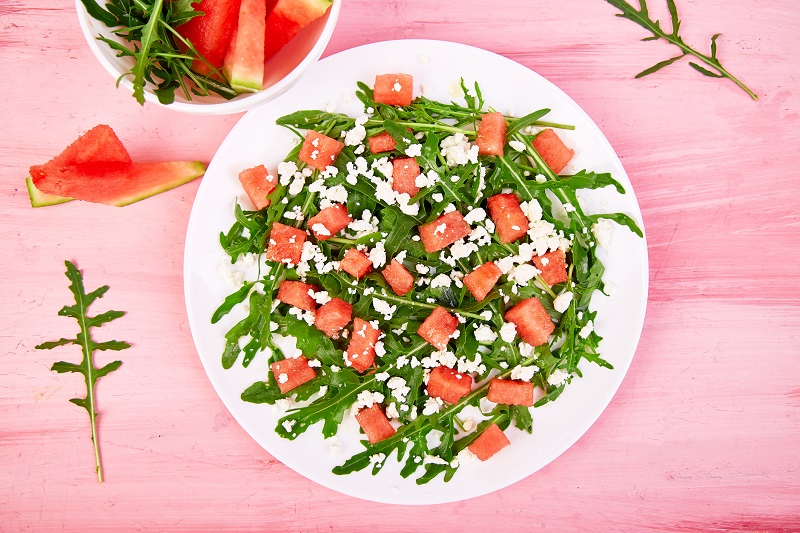
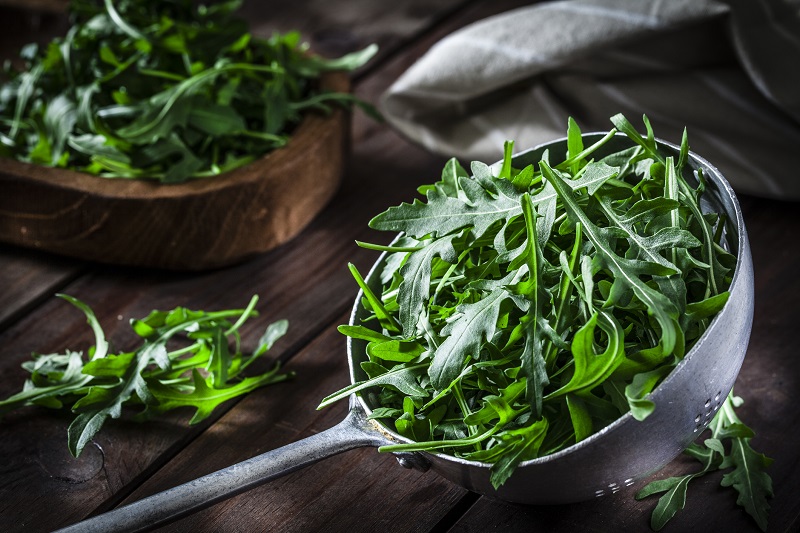
Leafy greens of all kinds are like the league of superheroes for your healthy diet. They pack a punch of powerful nutrients and always protect you from excess calories and fats. Among those champions of eating well, arugula might be considered the Master of Zing for its zesty flavor that can rescue a salad or wrap from the grip of dull blandness. Arugula (say it, “ah-RUE-gah-lah”) has a lot in common with other leafy greens, but it comes with its own unique powers, too, that make it a superfood you can rely on to lift up your everyday meals to the next level. So not only is this superfood filled with flavor, the benefits of arugula make this green powerhouse a must-have.

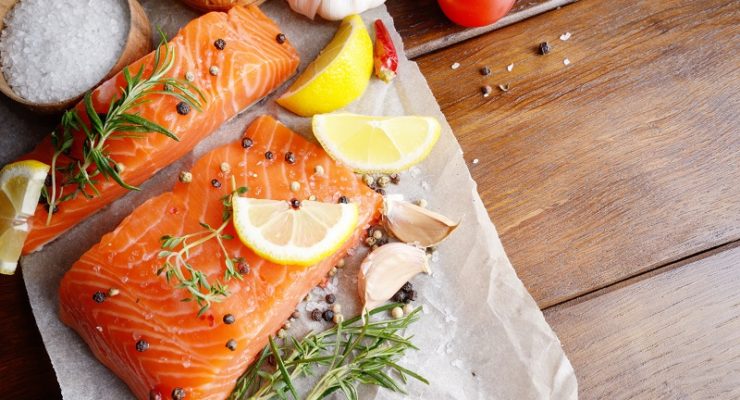
Superfood Saturday: Salmon the Great

Read More

Read all about the many benefits of arugula :

Nutrition Highlights

arugula benefits

Like all leafy greens, arugula is a nutrient-dense food, meaning it is high in nutrients and low in calories and fats. According to the United States Department of Agriculture (USDA), a single cup of raw arugula has just five calories and almost no fats. It is a non-starchy vegetable, so you can eat as much of it as you want while staying on track with your Nutrisystem weight loss plan.

In each cup of arugula you get 475 IU of vitamin A, a nutrient that is essential for your immune system, heart and vision. Antioxidants such as vitamin A help remove damaged cells from your body, helping to protect you from cancer and other diseases.  According to Healthline, a cup of arugula also provides you with 74 milligrams of potassium, the nutrient that supports healthy blood pressure, and 32 milligrams of calcium, which makes it a good vegetable source of the mineral that plays a key role in regulating your metabolism as well as helping to build and maintain healthy bones. Arugula also nourishes you with small but valuable amounts of iron, magnesium and folate.

Health Powers

arugula benefits

The ancient Romans believed that arugula was a potent aphrodisiac. No modern research has confirmed this power for arugula, but there is still plenty to love about it.  Arugula looks similar to and is used much like lettuce, but it actually is a cruciferous vegetable, so nutritionally it is more akin to broccoli, cabbage, and Brussels sprouts. Like them, arugula contains compounds called “glucosinolates,” which give it the peppery flavor. A wide range of studies have linked regularly eating glucosinolates to reduced risk of lung, breast, prostate, stomach, colon and other kinds of cancer, according to the National Cancer Institute.

Arugula also is loaded with flavonoids, other compounds found in minute amounts in fresh green vegetables. “The growing body of scientific evidence indicates that flavonoids play a beneficial role in disease prevention,” says a report in the medical journal Plant Foods for Human Nutrition. Eating arugula and other foods high in flavonoids reduce your risk of heart disease, autoimmune conditions, cancer, and more.

Even with all of the nutrients in arugula, it is still composed of 90 percent water. That makes it a good food for keeping you hydrated and even cool on the hot days of summer.

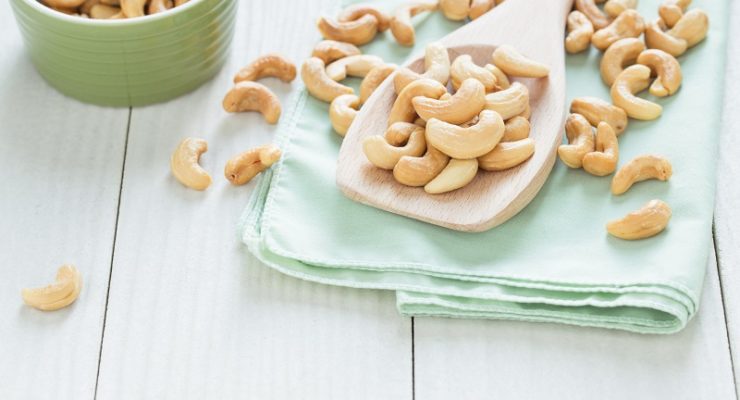
Superfood Saturday: Get Creative with Cashews

Read More

Buyer’s Guide

arugula benefits

Another one of the many benefits of arugula? It’s available just about year-round in most grocery stores, but you can get it at its freshest at farmer’s markets and from other local sources in spring and fall. If you really love it, you can grow your own arugula in a garden bed or pot. It sprouts easily from seed and you can begin harvesting a few leaves within a month or so planting it.

When shopping for arugula, look for firm, dark green leaves and avoid any bunches with leaves that are yellow or have dried tips. When you get arugula home, keep it dry and wash only as much as you can use—if it stays wet, arugula will rot quickly. Store it in the lowest humidity section of your refrigerator and place a dry paper towel in the plastic bag to absorb moisture.

Fresh Ideas

arugula benefits

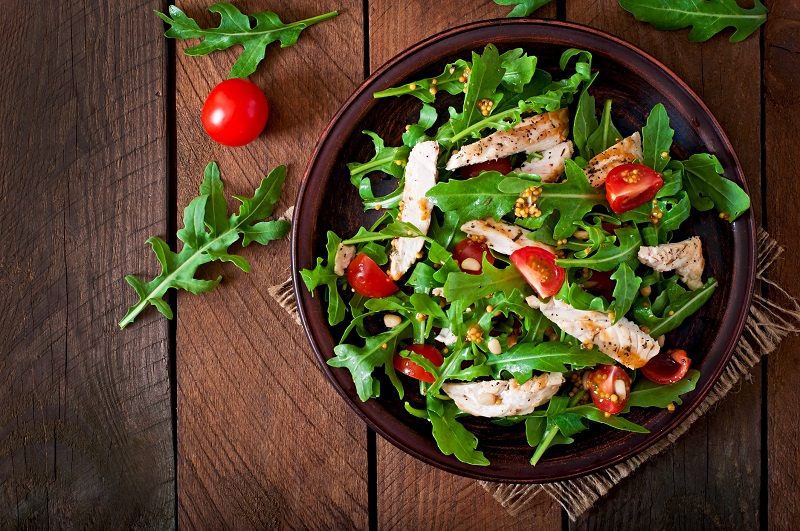
Fresh arugula’s peppery taste perks up bowls of fresh vegetables and fruit, such as our Arugula Pomegranate Salad > and Arugula Beet Salad with Orange Slices >  Layer a few arugula leaves onto a sandwich or wrap to give it a jolt of zesty flavor. If you like smoothies with a little kick, toss in a handful of arugula leaves along with sweet berries for a nutrient-packed drink that can help fuel your day.

Do you love spicy Italian food? Try arugula instead of some or all of the parsley in homemade pesto. Or, use arugula for extra flavor on our Thick Crust Pizza (this video shows you how >).

Arugula loses its shape and texture when cooked, but you can add it to omelets, soups and stews and still enjoy its flavor and superfood nutritional powers.

The post Superfood Saturday: All About Arugula appeared first on The Leaf.


The short answer: No, absolutely not.

You’ll find no lack of conversations, however, that tell you to consume more oatmeal, nuts, garlic or soy to reduce total and LDL cholesterol, perhaps thereby avoiding statin drugs. Or add more fiber to your diet or take red yeast rice.

These foods and supplements do indeed reduce total and LDL cholesterol . . . but who cares? Don’t waste your time and energy on this useless exercise, especially efforts to reduce the absurd, outdated, imprecise calculated LDL cholesterol.

But doesn’t reducing LDL cholesterol, the “bad,” in particular reduce risk for cardiovascular events? It does to a minor degree, not to the degree doctors and Big Pharma tell you, wildly exaggerated benefits that are misleading statistical manipulations. But that is not the right question to ask.

A better question to ask: How can you reduce or eliminate risk for cardiovascular events? Answer: By quantifying, then correcting the factors that cause heart disease such as small LDL particles, excessive very low-density lipoprotein (VLDL) particles, postprandial (after-meal) lipoproteins, inflammatory factors, small intestinal bacterial overgrowth and the accompanying inflammation, insulin resistance, endogenous glycation, vitamin D deficiency, omega-3 fatty acid deficiency, iodine deficiency, and others. All of these factors can be quantified, then corrected—NONE require prescription drugs to do so. If, for example, a person’s LDL cholesterol (calculated–yes, LDL cholesterol is not measured, but calculated) was 133 mg/d (the average value for most people not on statins) and then we were to run a NMR lipoprotein analysis, the LDL particle number could be something like 1900 nmol/L. A NMR LDL particle number of 1900 mol/L is the equivalent of a LDL cholesterol of 190 mg/dl—much higher than the calculated value. This sort of discrepancy between the calculated LDL cholesterol and the LDL particle number is exceptionally common, the rule rather than the exception. Of that 1900 mol/L of total LDL particles, perhaps 1400 mol/L are the abnormal small particles that are oxidation-prone, more likely to adhere to the artery wall, are much more inflammation-provoking, and last 5-7 days in the bloodstream, rather than the 24 hours of large LDL particles. A calculated LDL cholesterol of 133 mg/dl suggests little risk for heart disease, while the NMR panel suggest substantial risk for heart disease. And that’s not even factoring in all the other factors that lead to heart disease such as insulin resistance and postprandial abnormalities.

Take a statin drug or eat foods that reduce cholesterol and you can reduce LDL particle number to, say, 1500 mol/L, reduce small LDL particle number to 1000 mol/L—small LDL particles are persistent and still comprise a similar proportion of total LDL particle number.

Eliminate wheat/grains and limit net carbs; restore vitamin D, magnesium, omega-3 fatty acids, and iodine; take efforts to cultivate healthy bowel flora—i.e., all the strategies we follow in the Wheat Belly and Undoctored lifestyles—and LDL particle number drops to something like 1200 nmol/L, small LDL drops to zero or other low value. While foods that reduce cholesterol and statins do little else to improve the other factors that lead to heart disease, the strategies we use address ALL of them: reduces VLDL particles, reduces the magnitude of postprandial lipoproteins, reduce inflammation, reverses insulin resistance, reduces endogenous glycation, corrects vitamin D and omega-3 fatty acid deficiency, etc.

In other words, consuming cholesterol reducing foods or statins do indeed reduce total and LDL cholesterol, but they do very little to address the constellation of phenomena that more powerfully drive heart disease risk. Follow the collection of strategies we follow in the Wheat Belly and Undoctored lifestyles and dramatic transformation of the entire landscape of factors that lead to heart disease are transformed. So eat more oats to reduce cholesterol? I hope you now appreciate how lame that is.

The post Should you eat cholesterol lowering foods? appeared first on Dr. William Davis.


Special Guest Series

Dr. Ken Berry: How to Talk to your Doctor – Final Episode

Dr. Ken Berry has spent the last decade battling the epidemics of obesity, insulin resistance and Type 2 Diabetes. He’s the author of the acclaimed book Lies My Doctor Told Me, and hosts his own channel on YouTube – youtube.com/kendberrymd.

Over five weeks, Dr. Berry is hosting a special guest series for members here on IDM: ‘How to Talk to your Doctor.’ Whether it’s a ketogenic or low-carb diet, many health care providers in the US, Canada and around the world just don’t understand this way of eating yet, nor the many associated health benefits.

So, don’t miss this series so you can get the knowledge you need to talk to your doctor!

IDM Members


My favourite fasting schedule

For best results, Coach Nadia Pateguana prefers 2x48h IF

IDM’s recommendation for weight loss is widely known as the ADF (Alternate Day Fasting) Regimen. Most often our clients are instructed and taught to follow a 3×24/36/42 Intermittent Fasting Schedule when they are looking to lose weight. Most do very well and as such this has become our “Gold Standard.”

Other common fasting schedules include the daily 16/8 and the famous “OMAD” (One meal a day). IDM has numerous resources on all of these and information on why ADF might be more successful for weight loss than these last two.

A few people also enjoy and do some EF (Extended Fasts) for weight loss purposes. This is less common and often must be properly supervised for safety reasons. Dr. Fung mentions in some of his blogs that longer fasts, although have the potential for more results, are a double-edged sword. There are also more concerns associated. More isn’t necessarily better.

My very favourite fasting schedule for weight loss is a 2x48h IF. Much less common and possibly more intimidating. Forty-eight hours of fasting? Two whole days without eating? Twice in a week? Let’s compare the 2x48h IF to our most common 3x42h IF. I have found that most people that can do a 3x42h, can do a 2×48 and actually find it easier and more socially flexible.

Why? First, if you can make it to lunch on the second day of a fast, it is very likely you can fast a little longer until dinner (most people will report that they are not really that hungry, but they eat because it is “time” to break their fast). Secondly, during a 3x42h you are likely fasting all day Monday, Wednesday and Friday (nomad= no meal a day).

When you are doing a 2x48h, you fast all day only Monday and Thursday. That’s only two days of a full fast, as opposed to three. The other days, you eat 2mad (two meals a day) on Wednesday, Saturday, Sunday, and omad (one meal a day) on Tuesday and Friday. It might be convenient to eat a later meal on Fridays sometimes, as this can often be a social day. This is why the 2x48h is my favourite fast for weight loss. It allows for flexibility.

The best part is that you do not have to choose one or the other. One week you can do 3×42 and the following week 2x48h and alternate as you see fit.

2x48h per week

Monday             nomad
Tuesday             omad 48h
Wednesday      2mad
Thursday          nomad
Friday                 omad 48h
Saturday           2mad
Sunday              2mad

.


Welcome to Keto Camp!

Keto weight loss coach Dan Quibell kicks off the latest camp

Keto weight loss coach Dan Quibell will be hosting a 30-day keto program starting July 1. The camp offers great insights like Ketofy your kitchen, supplements and electrolyte training, quick start guides, recipes, motivational videos, science primers and so much more.

Keto Camp is the perfect complement to fasting. Quibell himself has lost over 90 pounds and maintained this loss for more than two years, and he has used his approach to train thousands of clients.

For all the details, visit here

You might remember Quibell for his 30-day bacon diet experiment a few years back! He managed to lose 20 pounds and improve his blood work, too. Quibell is an innovator and great inspiration.

https://www.dietdoctor.com/what-happens-when-you-eat-nothing-but-bacon-for-30-days-straight

.


IDM needs volunteers

If you’re in the GTA and can help, please let us know.

We get so many requests from wonderful people like you asking to volunteer their time to support IDM. Well, now we need your help! Email us if:

1) You’re in the Toronto area and can come to IDM in person 5+ hours a week
2) Have your own laptop (negotiable)
3) Are interested in volunteering your time for data entry

Is this you? We want to hear from you: Info@IDMprogram.com

.


Don’t miss Megan Ramos speaking this Sunday!

At Weight Loss for the Driven Women, hosted by Jennifer Ludington

It’s no sleight of hand

Why magician Penn Jillette fasts 23 hours a day to maintain his 100-pound weight loss

Dr. Fung on JJ Virgin’s podcast

Fasting for Weight Loss and Optimal Health with Dr. Jason Fung

The post IDM Round Up – June 28, 2019 appeared first on Intensive Dietary Management (IDM).


Most of the year it’s easy for us to hide extra pounds under our bulky clothing, but when the hot and steamy days of summer come and our clothes get lighter the excess weight is there for all to see. Great news: It’s not too late for you to look and feel better right now. Nutrisystem’s FreshStart plan can help you lose 10 pounds or more in just a few weeks.* That’s plenty of time to get you ready to wear your favorite swimsuit at the pool or on the beach this year. Better yet, this plan will put you on the path to your ideal weight so you will be at your best for many summers to come.

Exercising in Summer: 5 Moves for Easy Weight Loss

Read More

Here’s what you need to know about your summer journey to lose 10 pounds:

1. Summer-Friendly Plan

summer weight loss

With FreshStart, you begin losing weight right away because you eat specific meals and snacks chosen to maximize your immediate results. When you sign up, you get specially selected breakfasts, lunches and dinners for your first seven days, plus snacks that are packed with protein and fiber to prevent hunger pangs between meals. On top of all that, you also get to enjoy seven cool and delicious FreshStart shakes that aid digestion and bust belly bloat. Bonus: The shakes also help you chill on hot summer days!

Starting in the second week, you’ll be incorporating Flex Meals into your meal plan. This way, you can enjoy two breakfasts, lunches, dinner and snacks on your own—which leaves you with flexibility to enjoy meals with family, friends and also learn the principles of creating a balanced meal. You’ll also still be enjoying plenty of your Nutrisystem meals, snacks and shakes.

Does summer keep you on the move? Nutrisystem meals and snacks are conveniently packaged and ready to eat so you can take them everywhere you go. You’ll never need to wonder if you can find healthy food when hunger strikes—you just bring your delicious, satisfying food with you and enjoy it wherever you are.

2. Lose Weight Fast.

weight loss

We know you want to see changes right away and that’s what happens with FreshStart. All you need is four weeks to lose 10 pounds or more. In our clinical trial of this plan, the study subjects shed up to 13 pounds in the first month. That’s double the average weight lost by subjects who try dieting on their own. And with Nutrisystem, you don’t have to spend your time counting calories or weighing food—we’ve handled all of that for you.

6 Summer Slim-Down Foods That Help You Lose Weight

Read More

3. See the Difference.

lose 10 pounds

Checking the numbers on the scale is one way to monitor your results each week, but with FreshStart you can see the weight coming off. In the same clinical study, the subjects saw their waistlines go down 7 inches in the first month. You’ll immediately begin to feel better about wearing beach wear and other light summer clothing and your family and friends will start noticing the change, too.

4. Support System

lose 10 pounds

Your FreshStart plan comes with powerful tools to help you succeed. Our free NuMi app goes wherever summer takes you, letting you remember your favorite meals, sending your reminders and helpful tips, giving you recipes and much more.

Want more advice or tips for your weight loss? Best of all, help is just a phone call or email away, seven days week. Nutrisystem’s trained weight-loss counselors are standing by to answer your questions and help solve problems. You can reach them at 1-800-585-5483.

6 Awesome Summer Activities That Torch Serious Calories

Read More

5. Proven Success

lose 10 pounds

You don’t have to take our word that FreshStart is the answer for how to lose 10 pounds this summer. You can get even more information here> or even better, you can ask the thousands of happy people who have started shedding extra weight fast with the FreshStart plan and are well on their way to their best summer ever.

What are you waiting for? Lose 10 pounds this summer with the help of a FreshStart meal plan >

*In a study, average weight loss was 11.6 lbs. and 8 inches.

The post Looking to Lose 10 Pounds? Why Nutrisystem Is Your Summer Weight Loss Program appeared first on The Leaf.


Special Guest Series

Dr. Ken Berry: How to Talk to your Doctor – Final Episode

Dr. Ken Berry has spent the last decade battling the epidemics of obesity, insulin resistance and Type 2 Diabetes. He’s the author of the acclaimed book Lies My Doctor Told Me, and hosts his own channel on YouTube – youtube.com/kendberrymd.

Over five weeks, Dr. Berry is hosting a special guest series for members here on IDM: ‘How to Talk to your Doctor.’ Whether it’s a ketogenic or low-carb diet, many health care providers in the US, Canada and around the world just don’t understand this way of eating yet, nor the many associated health benefits.

So, don’t miss this series so you can get the knowledge you need to talk to your doctor!

IDM Members


My favourite fasting schedule

For best results, Coach Nadia Pateguana prefers 2x48h IF

IDM’s recommendation for weight loss is widely known as the ADF (Alternate Day Fasting) Regimen. Most often our clients are instructed and taught to follow a 3×24/36/42 Intermittent Fasting Schedule when they are looking to lose weight. Most do very well and as such this has become our “Gold Standard.”

Other common fasting schedules include the daily 16/8 and the famous “OMAD” (One meal a day). IDM has numerous resources on all of these and information on why ADF might be more successful for weight loss than these last two.

A few people also enjoy and do some EF (Extended Fasts) for weight loss purposes. This is less common and often must be properly supervised for safety reasons. Dr. Fung mentions in some of his blogs that longer fasts, although have the potential for more results, are a double-edged sword. There are also more concerns associated. More isn’t necessarily better.

My very favourite fasting schedule for weight loss is a 2x48h IF. Much less common and possibly more intimidating. Forty-eight hours of fasting? Two whole days without eating? Twice in a week? Let’s compare the 2x48h IF to our most common 3x42h IF. I have found that most people that can do a 3x42h, can do a 2×48 and actually find it easier and more socially flexible.

Why? First, if you can make it to lunch on the second day of a fast, it is very likely you can fast a little longer until dinner (most people will report that they are not really that hungry, but they eat because it is “time” to break their fast). Secondly, during a 3x42h you are likely fasting all day Monday, Wednesday and Friday (nomad= no meal a day).

When you are doing a 2x48h, you fast all day only Monday and Thursday. That’s only two days of a full fast, as opposed to three. The other days, you eat 2mad (two meals a day) on Wednesday, Saturday, Sunday, and omad (one meal a day) on Tuesday and Friday. It might be convenient to eat a later meal on Fridays sometimes, as this can often be a social day. This is why the 2x48h is my favourite fast for weight loss. It allows for flexibility.

The best part is that you do not have to choose one or the other. One week you can do 3×42 and the following week 2x48h and alternate as you see fit.

2x48h per week

Monday             nomad
Tuesday             omad 48h
Wednesday      2mad
Thursday          nomad
Friday                 omad 48h
Saturday           2mad
Sunday              2mad

.


Welcome to Keto Camp!

Keto weight loss coach Dan Quibell kicks off the latest camp

Keto weight loss coach Dan Quibell will be hosting a 30-day keto program starting July 1. The camp offers great insights like Ketofy your kitchen, supplements and electrolyte training, quick start guides, recipes, motivational videos, science primers and so much more.

Keto Camp is the perfect complement to fasting. Quibell himself has lost over 90 pounds and maintained this loss for more than two years, and he has used his approach to train thousands of clients.

For all the details, visit here

You might remember Quibell for his 30-day bacon diet experiment a few years back! He managed to lose 20 pounds and improve his blood work, too. Quibell is an innovator and great inspiration.

https://www.dietdoctor.com/what-happens-when-you-eat-nothing-but-bacon-for-30-days-straight

.


IDM needs volunteers

If you’re in the GTA and can help, please let us know.

We get so many requests from wonderful people like you asking to volunteer their time to support IDM. Well, now we need your help! Email us if:

1) You’re in the Toronto area and can come to IDM in person 5+ hours a week
2) Have your own laptop (negotiable)
3) Are interested in volunteering your time for data entry

Is this you? We want to hear from you: Info@IDMprogram.com

.


Don’t miss Megan Ramos speaking this Sunday!

At Weight Loss for the Driven Women, hosted by Jennifer Ludington

It’s no sleight of hand

Why magician Penn Jillette fasts 23 hours a day to maintain his 100-pound weight loss

Dr. Fung on JJ Virgin’s podcast

Fasting for Weight Loss and Optimal Health with Dr. Jason Fung

The post IDM Round Up – June 28, 2019 appeared first on Intensive Dietary Management (IDM).


MKRdezign

Contact Form

Name

Email *

Message *

Powered by Blogger.
Javascript DisablePlease Enable Javascript To See All Widget