Articles by "RSSMix.com Mix ID 8281826"

When it comes to erectile dysfunction, most people simply look at it as a condition in which a man fails to sustain an erection.  And while this characteristic is true, there are many things about ED that most people are unaware of.  Keeping this in mind, here’s a quick overview of nine things that everyone needs to know about ED (TIP: Get rid of ED with Max Performer pills reviews).

1. ED Patients Should be Tested for Diabetes

An alarmingly high amount of men who have ED also have diabetes.  For those who have went undiagnosed, it’s imperative to check them for diabetes.  In fact, when it comes to diabetes, ED is a more effective “predictor of a CV event than either HbA1c or microalbuminuria.”

2. Medications can Lead to the Development of ED

There are many medications that are directly related to the development of ED, including:B-blockersSSRI antidepressantsThiazide diureticsAntipsychotics

3. Depression and ED Go Hand in Hand

Men who suffer from ED are twice as likely to have depression.  However, being that SSRI antidepressants can worsen the condition, it’s imperative to prescribe a PDE5.

4. Not Everyone Benefits from PDE5

Although 75 percent of the general population who suffers from ED will benefit from PDE5, not everyone will.  In fact, 30 percent of men who have had a radical prostatectomy will not benefit from PDE5 inhibitors.  55 percent of men who have type II diabetes won’t benefit either.  Fortunately, though, intracavernosal injection treatment can be of the utmost help.

5. Testosterone Levels are Naturally Lower than They Used to Be

Over the past 20 years, men have really started to dwindle down in terms of testosterone levels.  In fact, research has shown men now have 20 to 30 percent less of the hormone than they used to.  That’s right.  Men’s forefathers naturally had more testosterone.

6. Lack of Sleep Really Does Lead to ED

Living a life full of going here and there can be exhilarating, especially when enjoying all that this life has to offer.  But men must remember a lack of sleep can lead to ED.  And if a man already suffers from ED, a lack of sleep will only worsen the condition.

7. Stress Causes a Lack of Sleep

When a person stresses out, there are high amounts of cortisol released into the body.  As a result, a disruption in sleep patterns usually takes place.  It’s because of this that stress should be maintained as effectively as possible.  As a result, a man can enjoy less stress, better sleep and fewer ED problems.

8. Alcohol Lowers Testosterone

Although some men may feel as if alcohol makes them more sexual, in reality, research shows that drinking alcohol on a regular basis will cause a man’s testosterone levels to be about 10 percent lower than what they would normally be.  This drop in testosterone leads to both ED and a decrease in sex drive.

9. Treatment is Available

The number one thing to know about ED is that treatment is available.  If you suffer from ED, make sure to speak with a physician who specializes in erectile dysfunction today.

The post 9 Things You Need to Know about Erectile Dysfunction first appeared on The Fit Housewife.

Obesity is a complex and heterogeneous condition that can occur at any age throughout the lifespan for a myriad of reasons. Furthermore, once established, obesity generally becomes a lifelong problem requiring long-term (often lifelong) management. 

Thus, given that almost anyone can be affected (no matter how healthy your lifestyle in the past) and early intervention in high-risk individuals would seem prudent, it would clearly be of great interest to identify those at highest risk of weight gain. 

This is the topic of a most interesting paper by Michael Katsoulis and colleagues, published in The Lancet Diabetes and Endocrinology.

The researchers analysed longitudinal data from 400 primary care practices and included over two million individuals aged 18–74 years who had BMI and weight measurements recorded between Jan 1, 1998, and June 30, 2016, with at least 1 year of follow-up. 

Of all the potential factors that one might imagine would predict weight gain, including socioeconomic factors, comorbidities, medications, etc., the only significant predictor of future weight gain turned out to be young age!

Thus, being a young adult between 18-24 years of age carried the highest risk (4 to 5 fold higher than for older adults) of developing obesity or transitioning to a more severe obesity stage (based on BMI). 

Other socio-demographic factors including sex and race were only marginally significant. 

Not only are these findings surprising but also pose an important challenge to clinicians trying to identify individuals at risk. After all, young age is not much information to go on. 

This of course does not mean that predicting obesity is hopeless. It just shows that there are probably myriads of risk factors for future obesity (e.g. adverse life events, comorbidities, medications, etc.) that act throughout the lifespan and can be significant for individuals but not for entire populations. 

My advice to clinicians would be to keep a close eye on changes in body weight (especially in younger adults) and try to identify drivers of excess weight gain as early as possible, remembering that an upward weight trajectory can occur in pretty much anyone at any point in life.

DrSharma
Berlin, D


How controlling blood sugar benefits your heart?

Diabetes and heart health are interlinked as the latter can be affected by the complications borne from the first. High blood sugar levels can put one at risk of various heart conditions.

That is so because when you have uncontrolled diabetes, your body can’t absorb all of the ingested sugar properly, and the excess of it sticks to the red blood cells and builds up in your blood. As a result, vessels carrying blood to and fro from the heart get blocked and damaged, restricting the oxygen supply and nutrients into the heart and giving rise to several diseases like coronary heart disease, heart failure, and diabetic cardiomyopathy. High blood pressure & cholesterol levels or unhealthy weight are some other factors that make the condition worse.

If you have diabetes, proper management is essential to mitigate the risk of heart disease and other complications. Medications and regular checkups are one method to keep the blood sugar levels in check. Another approach is to go the natural way with your daily meals. Having a fiber-rich & low-carb diet can notably help stabilize blood sugar levels. When a diabetes diet plan and regular physical exercise are combined, they cater to all the mentioned health conditions and notably lessens the cardiovascular disease risk in people with diabetes. Brisk walking, jogging, yoga, biking, or swimming, are some exercises that help maintain ideal body weight and strengthen the heart to help it pump more efficiently and improve blood flow in the body & ensures good heart health.

Foods that can help to keep diabetes in control & heart healthy
Heart-healthy foods are the ones that help lower your risk of having heart disease by reducing blood pressure, overall cholesterol, LDL cholesterol, triglycerides, and fasting blood sugar levels. It includes foods that are:

●low in sodium, cholesterol, saturated fats, trans fats
●high in fiber, antioxidants, vitamins, and minerals

Legumes:
Rich in fiber, legumes are the best option to have in your diet. Fiber lowers blood sugar levels. Black, white & kidney beans, lentils, and dry split peas are some of the legumes known to reduce the risk of heart disease by easing your blood pressure, resting heart rate, blood lipid levels called triglycerides, and the risk of stroke.

Whole Grains
Try to incorporate whole grains into your daily diet for blood sugar. Replace regular flour chapatis with the whole ones. Or, if you crave pizza, pasta, or bread, go for whole-grain varieties as they keep the bran and germ layers intact and prevent the risk of health diseases. Besides, they are rich in Vitamin B, magnesium, and selenium. The whole grains repress the after-meal blood sugar spikes and keep you full for longer.

Flaxseeds
Flaxseeds possess quite a high capability against high blood sugar and cholesterol. These tiny-looking seeds can help prevent plaque build-up on arteries that leads to heart diseases. It lowers the bad cholesterol (LDL) & and boots good cholesterol (HDL). Grind & use flaxseeds in smoothies, chapatis, oatmeal, etc.

Leafy Greens
These are low in calories and packed with nutrients for good health. They are rich in Vitamin C, E offering protection against inflammation. Fiber helps regulate sugar levels. Try to have one or two servings of spinach, lettuce, methi leaves, and any other leafy vegetables every day to lower the risk of heart disease.

Broccoli
Broccoli is considered a superfood when it comes to blood sugar control. It consists of sulforaphane, a phytochemical that helps regulate sugar levels. Including half a bowl of it in your diabetic meal plan can help prevent plaque build-up in arteries. Cabbage, cauliflower are other options from a similar vegetable family that can offer similar benefits.

Olive Oil
Although fats have no such contribution in raising sugar levels, they can considerably affect cardiovascular health. Animal-based fat has the highest effect on cardiovascular health. Among the plant-based fats, olive oil is probably the standout in protecting the heart. Olive oil consists of polyphenol compounds that help your body better use insulin, lower blood pressure, and prevents the risk of heart disease and stroke.

Almonds & Nuts
Nuts are rich in protein, healthy fats, carbs, fiber, and essential nutrients. Out of them, almonds particularly help in steady blood sugar, cholesterol, and blood fats. They also satiate you for long and stop hunger pangs. A handful of almonds can improve resistance and lower the risk of heart disease.

Foods to avoid, with diabetes being the concern

Red Meat:
Too much red meat can project you to heart disease and diabetes. It’s because these are high in saturated fat, which can increase cholesterol levels.

Aerated Drinks:
A bottle of a fizzy drink has more sugar than one can anticipate. Excessive consumption can put you at risk of obesity, type 2 diabetes, high blood pressure, and heart disease.

Baked Goods:
These contain high levels of sugar, which leads to blood glucose spikes and weight gain. They’re also known to increase triglyceride levels that can lead to heart disease. Since white flour is the main ingredient, it spikes your blood sugar but doesn’t fill you up with hunger.

Deep-fried Food:
Deep-fried food has lots of fat and salt, which affect your heart health. If you indulge, go for smaller portions or prefer them baked in olive oil.

Ill management of diabetes can lead to uncontrolled blood sugar levels that can give birth to various heart diseases. If you have diabetes, you may have to juggle a lot of concerns besides maintaining blood sugar levels. Preparing a well-planned diabetic diet plan and then having the right and healthful meals is the way to leading a happy & peaceful life.

The post How controlling blood sugar benefits your heart? appeared first on Health Total.


Everything You Want to Know About High Cholesterol Diet Plans

Food has a tremendous impact on our bodies. While good food choices keep us healthy and lively, bad ones can put us at risk of various health conditions. Interestingly food is also the cure to those health conditions, with high cholesterol levels one among them. While cholesterol is an essential compound for proper body functioning, its excess can put you at risk of heart diseases. Cholesterol can be classified as HDL and LDL. HDL (often known as good cholesterol) keeps the heart healthy and boosts immunity. Whereas LDL, also known as bad cholesterol, is responsible for plaque formation, which can block the arteries and causes heart diseases.

There are various approaches for keeping the cholesterol levels up to the mark, and for this, you don’t need to look anywhere else but your kitchen pantry. Numerous diets are available that promise to lower LDL and boost HDL. Some of the popular high cholesterol diets are:

Mediterranean Diet: Not just any diet, it’s almost similar to a lifestyle change that takes you to the age-old traditions of the Mediterranean region. A typical Mediterranean diet usually involves freshly produced fruits, vegetables, whole grains, fish, lean meats, and olive oil. The diet cuts are all the saturated fats, refined grains & additives altogether. It is rich in fiber that helps lower your cholesterol levels. Moreover, it keeps your digestive system working and keeps you full for longer. The Mediterranean diet is flexible, adaptable, tastes good, and is a perfect choice for anyone trying to lower their cholesterol.

DASH Diet: While the DASH diet is primarily for lowering blood pressure, it is often recommended & practiced for lowering high cholesterol levels. It is somewhat similar to the Mediterranean diet as it’s also about eating fresh fruits, vegetables, whole grains, and lean meats but limits the salt intake, sugar, sweets, and red meat to keep the blood pressure at optimum levels.

Vegan Diet: This plant-based diet is a blessing for your heart. Vegan food is full of essential vitamins, minerals, and dietary fiber that support healthy cholesterol levels. While vegan diets can be nutritious, not all of their ingredients are healthy. The processed vegan ingredients used in cooking are high in sugar & sodium content and made with artificial ingredients that may contribute to high cholesterol levels. If you choose to go with a vegan diet, you must add as much fresh produce and unprocessed food ingredients as possible to your meals. Also, if you are suffering from other medical conditions, consult your doctor or nutrition expert before practicing a vegan diet to make sure it is safe for you.

Vegetation Diet Plan: Skipping meat from your diet is another way to lower your high cholesterol levels, as the significant portion of saturated fats comes primarily from animal products, which is responsible for high blood cholesterol levels. Vegetarian diets are low in total fat and saturated fat and high in fiber, which can help you lower your cholesterol. Do you know the other best part about a vegetarian diet? It is versatile, flavorful, tasty, and healthy.
Sample Diet Plan
A typical vegetarian high cholesterol diet plan goes as

Early Morning: Methi seed infused water with 2-3 soaked almonds or walnuts.
Breakfast: A bowl of oats porridge made in milk/ A bowl of sprouts
Mid-morning: Green tea/low-fat yogurt with an apple or guava
Lunch: 1 bowl Salad, cooked vegetables, dal with 2 chapati and brown rice
Evening snacks: Buttermilk/fresh lemonade/tea with 1 cup boiled black chana or khakhra.
Dinner: 1 bowl vegetable soup, 2 Bajra or Jowar roti, 1 cup cooked vegetables

Home remedies to reduce cholesterol you can adapt to bring down cholesterol levels:

Turmeric: This fabulous therapeutic spice is known to dissolve the cholesterol deposits or plaques from the arteries. It’s a versatile spice that you can add to your curries, vegetables, or milk to reduce LDL cholesterol levels. For best results, add half a teaspoon of turmeric into the water and have it first thing in the morning.

Garlic: It is probably one of the most commonly used ingredients in your kitchen. But did you know garlic is one of the effective ways to reduce cholesterol levels? Garlic has several active ingredients that give it the healing properties to cure various conditions, including high cholesterol.

Green tea: What if we say that regulating cholesterol levels is everyone’s cup of tea? It stands true when talking about green tea. It is so because green tea is rich in polyphenols that help lower LDL cholesterol and increase HDL cholesterol. Try to sip 2-3 cups of green tea a day to flush out the deposited plaques from the arteries.

Fenugreek seeds: Popularly known as methi dana, it is a medicinal spice that possesses antidiabetic, anti-inflammatory, and antioxidant properties. Rich in Vitamin E, fenugreek seeds contain saponins which help remove from the body, and their fiber reduces the cholesterol synthesis in the liver. Having a teaspoon of fenugreek a day is sufficient to counter cholesterol and its effects.

Amla: Amla is rich in amino acids and antioxidants, making it ideal for lowering cholesterol levels and reducing the damage due to oxidation. Have fresh amla or a glass of lukewarm water with a teaspoon of dried amla powder every day.

High cholesterol levels can pose a threat to your heart’s health. Incorporating the foods you already eat in a well-planned diet that focuses on mindful eating is all you need to control it.

The post Everything You Want to Know About High Cholesterol Diet Plans appeared first on Health Total.


A Guide on Losing Weight (Weight Loss Guide for Beginners)

Maintaining good health has become the need of time. We all have understood it, considering the situations going around. By making some lifestyle changes, one can ensure a healthful life. Weight loss here is one such part of it. You may be looking to lose weight for personal reasons or improving your health. Whatever the reason is, remember the weight loss plan you choose is the one that will help you keep the weight off for long.

If you are a beginner and are a novice about its know-how, know that finding the best plan from the swamp of the options is a task on its own. To ease the process for you, here’s a step-by-step guide that will answer all the queries on how to reduce weight & help kick start the journey towards it.

Set Realistic Weight Loss Expectations:
At the basic level, to lose weight, you need to have some realistic expectations. It’s easy to get swayed by others’ achievements and set unrealistic weight-loss expectations for oneself. The weight loss journey is extremely personal and differs from person to person. Some might reach the results in a few months, while others can take months or even years. Your weight loss progress depends on many factors as each body is different from others. Any quick weight loss diet plan and effort-free way of shedding weight in a short period is a big no. You need to set practical weight loss goals that you can achieve through embracing a healthy lifestyle for long-term weight loss and maintenance.

Keep a check on calorie intake:
There is a phrase saying, You cannot outrun a bad diet through exercise. While you can lose weight with exercise, there is no surety you will achieve it, let alone doing it successfully, unless you make some dietary changes. If your calorie consumption exceeds the amount you can burn, you will gain weight rather than losing despite exercising. You must know the calories you need to see the results you are looking for. You can seek the assistance of your nutritionist or doctor to help you out with the assessment.

Have a nutrition-packed diet:
While calorie intake needs its attention, it is also essential to keep an eye on what you eat as a part of your weight loss program. Try to limit your consumption of sugary and refined carbohydrates like white bread, pasta & more as they don’t satiate your hunger for long, in turn, trigger your insulin levels. Whole grains, on the other hand, keep you fuller for longer and add nutritional benefits. Focus on eating lean proteins, vegetables, healthy carbs, and fruits.

Skip the alcohol, aerated drinks, juices, and any form of artificially sweetened beverages completely, as they contain more calories than one can imagine. Besides, they don’t give you a feeling of fullness. Try to stick with plain water. At most, you can have unsweetened tea or black coffee as these ensure you aren’t putting all of your calories in a drink and are better for your health. You can seek professional help to sort the task for preparing a diet plan for you. Health Total brings the best diet plan or chart for weight loss for females and anyone who wishes to lose weight. Their Indian meal plans are unique, easy to follow, and tailored to your needs making you fully prepared for your dream weight loss.

Eat in Moderation:
There is no food deprivation when it comes to weight loss. If you skip meals, your metabolic rate will get slowed and make your shedding process hard. To avoid excessive munching, break your daily diet into 5-6 small frequent meals. You can eat six times a day as long as you plan what to eat and don’t eat too many calories. Include low-calorie snacking options for healthy weight loss. Low-calorie yogurt, carrots, cucumber, radish, fresh fruits, and nuts are few snack options for the weight loss diet.

Sample Diet Plan

●Early morning: A glass of warm water with a lemon squeezed. You can add honey too.
●Morning: 1 cup Ginger Tea/Coffee/Milk
●Breakfast: Moong dal paratha with a bowl of fruits/ eggs omelet with vegetables/Idli or dosa or upma. Make sure to include a protein element in your meal.
●Lunch: dal/ sambar, cooked vegetables, chapatis, brown rice with garden salad, and curd
●Evening Snacks: Fruit or sprouts bowl/protein shake/ vegetable sandwich
●Dinner: Dal, cooked veggies, with brown rice or roti and vegetable soup
●Bedtime: A glass of milk

Have a sound sleep:
Sleep is essential for many reasons, with weight being one of them. Adequate sleep is as necessary as exercise and a healthy diet for your proper body functioning. Insufficient sleep can turn out as a significant risk factor for weight gain or obesity. Having a 7-8 hour sleep is sufficient to keep you going for the day.

Incorporate Physical Activity:
Including exercise with a healthy diet is an effective way to lose weight rather than relying solely upon calorie restriction. It increases your metabolism and helps you maintain and increase lean body mass. It can also prevent or even reverse the effects of certain diseases like blood pressure and cholesterol. Exercise also helps you with stress and anxiety by stimulating the production of endorphins to elevate your mood. Try to add any form of aerobic exercise of 20 minutes at least three times a week to notice the results.

Keep track of your progress:
Tracking your progress when losing weight has many benefits. It allows you to see what’s working & not and make changes in the weight loss program, and when you document your success, you have the motivation to keep going and get through the setbacks.

If you’re starting for the first time, it may take a little while for you to adjust to the working of the weight loss. Start by making small changes to your diet & lifestyle as outlined above. Remember, even a little progress can bring many health gains. Just keep going.

The post A Guide on Losing Weight (Weight Loss Guide for Beginners) appeared first on Health Total.


I’m bringing back a Wheat Belly Blog classic from several years ago, updated to today’s sensibilities and context. The creation of high-yield semi-dwarf wheat, intended to feed the world’s hungry, is a perfect illustration of the Law of Unintended Consequences on a massive worldwide scale.


It’s 1961. Jack Kennedy has been inaugurated as President, the Cuban missile crisis dominates headlines, and Hostess cupcakes and Twinkies are the rage in school kid’s lunch boxes.

I was 4 years old, playing with toys on the floor while my mother ironed shirts, Divorce Court droning on the television, the scent of bread baking in the oven wafts through the living room.

Let’s try and recast this common domestic scene in 2021. Well, I might be surfing on my computer going to battle against Facebook misinformation, the latest on the COVID-19 pandemic news on the TV in the background. New faces, new technology. But, beneath the surface, human life hasn’t changed all that much in 50 years. But if bread baking remained part of the picture, it would yield something different than the stuff our mothers used to make. The bread would look much the same with brown crust on the outside, the same alluring scent, the same texture, though ours might be a darker, heavier, fiber-rich variety than mom’s white flour product. But probe beneath the surface and you will find something entirely different than mom’s proud loaves.

How different?

In the late 1960s, a valiant agricultural breeding effort was launched in then Third World nation, Mexico, complete with noble intentions of feeding the world’s hungry. Dr. Norman Borlaug, an agricultural scientist with the moral commitment of a Minnesotan Lutheran and the work ethic of a Norwegian farmer, understood that grains, in particular, could be genetically manipulated into the service of providing calories for hungry humans.

Thousands of genetic experiments, mating different breeds of plants, coupling wheat with other grasses, and Borlaug’s prize creation resulted: high-yield, semidwarf wheat, a plant that required enormous quantities of nitrogen fertilizer to flourish, with fewer nutrients required to grow the short, 18-inch long stalk (unlike the 4-foot or longer traditional stalk) and more nutrients diverted to grow the unusually bulky seeds. But flourish it did, yielding more per acre than any wheat strain preceding it.

Introduced into India and Pakistan, and yield doubled within the first year. In Mexico, yield-per-acre quadrupled over the first few years after its introduction, yields climbing higher every year over the next 10 years in cultivation.

Borlaug, who vocally preached a better-life-through-science message, became the hero of Big Agribusiness, persuading governments and farmers that, though it looked different and had unique needs, this creation of genetics research could save the world by casting crop diversification aside in favor of vast monoculture fields of grains. Borlaug did have to repeatedly answer criticisms over the greater nitrogen requirements and herbicide and pesticide inputs, but he defended such practices as necessary evils in the quest to feed the world’s hungry.

Borlaug’s semi-dwarf wheat delivered on his promise of greater yields, the Food and Agricultural Organization of the World Health Organization estimating that as many as one billion people were saved from starvation by more readily available and inexpensive chapati, himbasha, Barbari and other breads, variant ethnic staples on the wheat product theme. Starvation was replaced by surplus in some regions of the world, earning Borlaug the Nobel Peace Prize for his creation.

Borlaug’s success whetted the appetite of agribusiness to continue the quest to “improve” on nature’s design. Demand for greater and greater yields, coupled with increased susceptibility to pests and diseases, paved the road to the methods of genetic modification, or gene splicing to insert specific genes, with promises of solving such issues with targeted genetically programmed features. The world of agriculture and nutrition has never been quite the same.

Though Dr. Borlaug’s efforts now seem primitive in light of new technologies that create, for instance, strains of corn that express their own pesticide (Bt toxin) and are resistant to herbicides such as glyphosate, his vision of a world surviving on agribusiness generated fare of high-yield grains, millions of tons deliverable wherever and whenever needed, has materialized. It has proven a catalyzing force in allowing continued human population growth. Indeed, world population of 3 billion people inhabiting the world in Borlaug’s time has now expanded to 7 billion in ours, U.N. projections of 10 billion by 2050, permitted in large part by the proliferation of high-yield monoculture grains to yield plentiful inexpensive calories. It is politically incorrect to talk about world overpopulation and so we talk about it as its proxies, such as overfishing and acidification of the world’s oceans, soil erosion and salinization, endocrine disruption via industrial chemicals in food and water, even global climate change.

Back to mom’s bread. Noble intentions or no, the stuff of modern wheat today not only looks different with it’s short knee-high stature, large seeds, and large seed head, but it is different.

If I mate a goldfish with a piranha, I will surely obtain an entire range of unique hybrids, some deformed, some viable, some docile, some deadly, given the unpredictability of such an unnatural convergence. The offspring of this peculiar theoretical mating would likely look different than either parent, behave differently than either parent, likely have genetic and biochemical idiosyncrasies of either, both, or neither parent. Such an experience, repeated over and over again, introducing the seed of other fish species, repetitive mating to select for specific characteristics, such as large carnivorous teeth or bright orange color, will, over time, yield something a genetically far cry from our original and naturally-selected two fish.

This is precisely what Borlaug and his successors have done, creating new breeds using methods that extend beyond the traditional farming methods of choosing, say, a tastier or hardier cucumber from the patch to save for next year’s seeds. While conducting such genetics manipulations may raise accusations of God-playing or unnatural engineering when animals, even fish, are involved, such responses are less likely when it comes to plants, including ones we eat. What might be the effects of such never-before-consumed-by-humans sorts of grains such as high-yield, semidwarf wheat?

Well, we certainly can’t ask agribusiness nor the geneticists who continue to tweak, mate, and genetically manipulate such things, as they adhere to the USDA’s loose policy of don’t ask, don’t tell: create a new strain using traditional techniques, or even using extreme and bizarre techniques—it makes no difference in the USDA’s book—sell it as the newest ciabatta at the supermarket tomorrow, no questions asked.

Such a laissez-faire policy is paralleled at the EPA, an agency that puts the burden of proof of the safety of industrial chemicals on the public, not on industry, allowing chemical and other manufacturers to introduce hundreds or thousands of new chemical creations every year without having to demonstrate safety first. As it goes at the EPA, so it also goes at the USDA.

In the cause of unrestrained free enterprise, we now have exposure to an impressive array of industrial compounds in drinking water, produce, livestock, toiletries, cosmetics, even baby formula, just as we have exposure to unique components of newly created grains with allergenic, immunogenic, digestive, and neurological effects, all occupying the widest part of the USDA MyPyramid, largest segment of MyPlate.

Yes, Dr. Borlaug deservedly received the title of Father of the Green Revolution, a revolution from which we may never recover.

The post The Law of Unintended Consequences appeared first on Dr. William Davis.


Fall Into Good Health October 13th to October 22nd:

The Wheat Belly 10-Day Grain Detox supplies you with carefully designed meal plans and delicious recipes to fully eliminate wheat and related grains in the shortest time possible. Perfect for those who may have fallen off the wagon or for newcomers who need a jump-start for weight loss, this program guides you through the complete 10-Day Detox experience. In addition to this quick-start program, it will show you:

  • How to recognize and reduce wheat-withdrawal symptoms,
  • How to avoid common landmines that can sabotage success
  • How to use nutritional supplements to further advance weight loss and health benefits
  • How to effectively navigate the grocery store and choose safe products
  • How weight loss and magnificent health are achievable without cutting calories, without hunger

To join the Detox Challenge:

Step 1Get the book. And read it (at least the first 5 chapters).

Detox Challenge participants should be informed and active in order to get the most out of the challenge and private Facebook group. READING THE WHEAT BELLY DETOX BOOK IS REQUIRED TO PARTICIPATE. PLEASE DO NOT PARTICIPATE IF YOU HAVE NOT READ THE BOOK or else the conversations will not make sense and you will not enjoy full benefit. It is a very bad idea to try and piece the program together just from our conversations. (Note that the Wheat Belly Detox program is NOT laid out in the original Wheat Belly book.)

Amazon: http://amzn.to/1JqzMea

Barnes & Noble: http://bit.ly/wheatbelly10daygraindetox-bn

Indiebound: http://bit.ly/1KwcFTQ

Step 2Join the Wheat Belly Blog community 

Access the thousands of discussions that provide additional recipes, discussions about issues relevant to the Wheat Belly lifestyle, and access the newest ideas in the Wheat Belly Blog.  By becoming a Wheat Belly Blog community member, you will have access to the huge number of resources available on the Wheat Belly Blog: nearly 2000 posts with recipes, tips, new concepts, avoiding pitfalls, etc. You are also supporting the cause and covering the costs of Wheat Belly staff and projects.

The cost is $15.99 for an annual subscription. Here is why we have converted to a subscription process.  Please provide the name you registered with when requesting to join the private Facebook page:

Step 3Join the Private Facebook Group.

Step 4: Prepare for the Detox Challenge:

Head to the Private Facebook Group for tips, strategies, recipes, videos and discussions to help you prepare for your upcoming detox challenge.  Be sure to check out the guides section for chapter discussions and the files section of the page has some really helpful tools.

Our goal: to help you succeed in restoring your health and achieving your health goals.

Dr. Davis and site administrator, April Duval will be posting and answering your questions.  April is herself an example of a fabulous Wheat Belly Detox success, she knows the ins and outs of this lifestyle like the back of her hand.

Step 5: Join in on the Detox Challenge conversations on the Facebook page – a community of support!

Dr. Davis will personally kick off Day 1 of the Detox Challenge with a LIVE Facebook session.  It will be held on the Detox Facebook page Wednesday, October 13th, 12 pm EDT/11 am CDT/10 am MDT/9 am PDT. Find it here: Wheat Belly 10-Day Grain Detox Facebook page

Why the Detox Challenge?

Through the New York Times bestseller, Wheat Belly, millions of people learned how to reverse years of chronic health problems by removing wheat from their daily diets. But, after reading the original Wheat Belly or the Wheat Belly Total Health book, or even using the recipes from the Wheat Belly Cookbook and Wheat Belly 30-Minute Cookbook, people still said: “I’ve read the books, but I’m still not sure how to get started on this lifestyle.

The Wheat Belly 10-Day Grain Detox  Challenge helps readers navigate the core Wheat Belly lifestyle strategies. This is the quickest, most assured way to get started on regaining magnificent health and slenderness by adopting the Wheat Belly lifestyle.

The post Join Us for the Next Wheat Belly 10 Day Grain Detox Group Challenge!!! appeared first on Dr. William Davis.


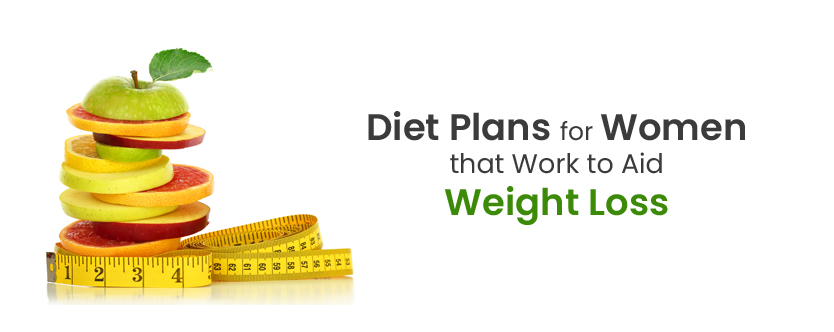
Diet Plans for Women that Work to Aid Weight Loss

With people getting health conscious day by day, weight loss is becoming a must-have for everyone & a diet is one of the popular options to achieve the same especially among the women. There are plenty of diet plans that promise to help you reduce weight loss. Some focus on cutting calorie intake, while others on carbs & fats. Finding a diet that suits your body is itself a task let alone following it. So, here enlisting the various diet plans for weight loss, women can follow to shed extra kilos. Some of the diet plans offer benefits that go beyond weight loss to improving your overall health.

*Make sure to consult your nutritionist & get an analysis of which diet suits you the best & how to work on them to achieve notable results.

Mediterranean Diet plan

In todays’ time, where processed & junk food rules our food preferences, the Mediterranean diet takes you back to the traditional eating pattern of Mediterranean countries. It focuses on adding more green produce, whole grains, legumes, nuts, and olive oils and completely cuts the processed food products. The Mediterranean diet plan involves a higher intake of plant-based food and restricted eating of meat products. The best thing about the Mediterranean diet is while it puts you on a healthy diet, it doesn’t steal away taste from your meals. Apart from helping you shed kilos, this diet also reduces the risk of having type 2 diabetes and heart diseases.

A Mediterranean Diet plan would include

  • Breakfast: Greek yogurt with fresh berries, oats, and nuts/sandwich made with multi-grain bread, vegetables & low-fat cheese/pan-fried egg with multi-grain toast
  • Lunch: Whole wheat pizza topped with vegetables, low-fat cheese & olives/ Chapati with a bowl of dal & potatoes sauteed in olive oil
  • Evening Snack: Fresh fruits and almonds
  • Dinner: Grilled vegetable kebabs with olive oil & nuts salad/

DASH diet plan

Originally designed to prevent high blood pressure, DASH Diet plans quickly became one of the most popular diet plans for women to lose weight. The DASH diet is about eating plenty of fruits, vegetables, whole grains, and lean meats. In a DASH diet, low sodium fruits and vegetable consumption, sugar & calorie control is the key to shed kilos.


Sample menu of a DASH diet plan for women

  • Breakfast: eggs with brown bread/Low fat milk or yogurt smoothie with nuts/greek yogurt with fresh fruits & nuts/spinach paratha with yogurt
  • Mid-morning: grapes/papaya/apple/banana, green tea
  • Lunch: dal, brown rice with grilled chicken/chickpea gravy or mixed vegetables with chapatis & garden salad
  • Evening Snack: green tea, puffed rice or nuts or fruits (plum, pear, etc.)
  • Dinner: Chapati with dal, grilled chicken or paneer gravy, or mixed vegetables

Low Carb Diet Plans

Low carb diet plans are making their steady way in the weight loss arena. The diet works towards curbing carb intake while keeping up with the optimum protein & fiber content. It’s a wholesome & real meal plan that ensures weight loss without avoiding your body from essentials. While the low carb diet plan is known to aid in weight loss, it comes with added benefits like it helps improve hormone levels and reassures menstrual regularity. Remember, a low-carb diet can be restrictive in some ways and may not suit everyone. Pregnant & lactating women or others with medical conditions should refrain from practicing this diet plan.

A diet plan of a low carb diet usually involves:

  • Breakfast: 1 cup black tea or black coffee, paneer or egg bhurji or omelet /a bowl poha with a handful of nuts/ 1 bowl of oatmeal with a handful of grapes
  • Lunch: Bhindi/Paneer bhurji/Sauteed vegetables in butter/Baingan charts/Rajma with chapatis made in half & half of regular & jowar flour
  • Dinner: green vegetable salad/stir-fried paneer with vegetables/ a bowl brown rice with stir-fried chicken or vegetables/spinach soup with sauteed button mushrooms in white butter

Ayurvedic Diet Plan:

The ayurvedic diet follows the principles outlined in the Ayurveda. This diet completely restricts the consumption of meat, refined, and processed food & focuses on leaning towards a simple lifestyle. Ayurveda encourages eating vegetarian & low-fat foods. A typical ayurvedic diet has seasonal fresh fruits, fresh produce of vegetables, honey, milk, whole grain, pulses, sprouts, nuts & seeds, and herbs. The diet being rich in fiber keeps you full for a longer time and limits unhealthy munching. The wholesome ayurvedic diet is promising in boosting metabolism & thereby helps you reduce weight. It reduces the risk of chronic diseases like cancer and diabetes as well.

Ayurvedic Weight Loss Diet somewhat looks like

  • Early Morning: Juice of lemon in a glass of warm milk. Add in honey if you wish.
  • Breakfast: mung bean sprouts and a cup of milk.
  • Midmorning: A glass of freshly squeezed orange, pineapple, or carrot juice.
  • Lunch: Raw vegetable salad, steamed or boiled vegetables, whole wheat chapati & a glass of buttermilk
  • Evening Snacks: Coconut water or fresh vegetable soup, dry fruits,
  • Dinner: Whole grain chapatis, steamed or boiled vegetables, seasonal fresh fruits

Each of the weight loss plans for women shown above promises to provide effective results. Make sure you select the one based on your lifestyle & food preferences that will help you stick with your weight loss goals for the longer term.


The post Diet Plans for Women that Work to Aid Weight Loss appeared first on Health Total.


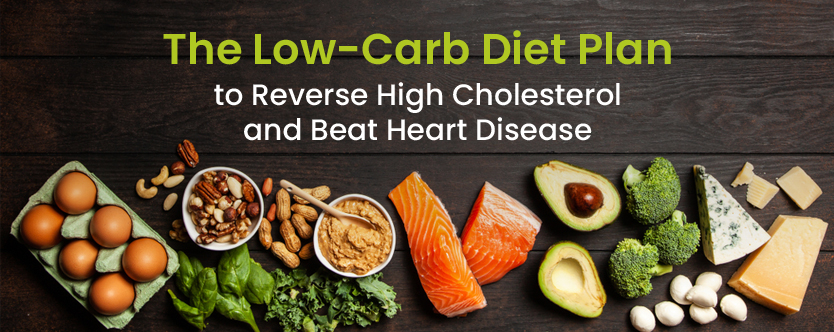
The Low-Carb Diet Plan to Reverse High Cholesterol and Beat Heart Disease

Cholesterol is an essential component of our bodies. While optimum cholesterol levels ensure the proper functioning of the body, higher levels of it can put one at various health risks. Many factors can give birth to high cholesterol levels like genetics, age but the underlying cause of high cholesterol is often an unhealthy lifestyle & eating habits. Processed foods, Tran’s fats, and refined, hydrogenated oils are among the main contributors to bad fats and cholesterol, which lead to plaque creation in the arteries and cause blockages.

A significant share of cholesterol comes from the liver secondly, from the food you eat. So when you control the food you consume, you can make a huge difference in your cholesterol levels. Here, a low-carb diet can help you achieve the same. A diet plan for high cholesterol also makes a positive impact on your overall health, helping restore your heart health, lower your blood pressure, prevent diabetes and maintain a healthy weight.

If you think one has to give up on your tasty meals & adopt bland foods to keep cholesterol levels in check, then you are probably wrong! Indian food in itself is very delicious and healthy. You don’t need to look anywhere for healthy & fancy food options. You have everything right in your kitchen pantry, from fruits & vegetables to lentils, nuts, & whole grains, locally grown fresh & healthy foods! And with plenty of flavors & choices, one can easily spice up a monotonous cholesterol management diet plan.

Here’s a sample plan of what a low carb diet looks like

*Consult a doctor or nutritionist to get a customized diet plan as per your requirements

  • Early Morning: 1 cup overnight soaked methi seeds water with 2-3 almonds & walnuts
  • Breakfast: 1 bowl of upma or oats idli or porridge made with milk. Oats are excellent antioxidants and help you reduce cholesterol.

or

Brown bread & egg whites made in your preferable way, but do not fry.

  • Mid Morning: 1 cup of green tea or coconut water with an apple, orange, or guava would be a good choice.
  • Lunch: 1 bowl each of cooked vegetables & dal with chapatis, brown rice & garden salad/ Vegetable pulao or biryani made with brown rice with vegetable raita & salad/ grilled or Curried Chicken or fish with chapatis
  • Evening Snacks: 1 glass buttermilk or tea or coffee, 1 cup boiled Chana/diced watermelon, or 1-2 boiled Eggs or plain khakhra
  • Dinner: 1 cup Vegetable Soup & 1 cup each of cooked vegetables & yogurt with Bajra Roti/ whole grain khichdi with vegetable stew/ multi-grain roti with dal.
  • Bedtime: A glass of sugar-free skimmed milk with a teaspoon of turmeric. It will help avoid hunger pangs.

Foods to avoid

For reducing high cholesterol, diet plans are effective, but you need to be cautious with eating certain foods that have:

  • Trans fat:Trans fats can be the most harmful form of fat one can eat. It raises bad cholesterol levels in your body & increases your risk of heart disease. Pastries, cookies, biscuits, margarine, etc., are some of its sources that you refrain from eating.
  • Salt:Too much consumption of sodium can lead to high blood pressure. Try to avoid having canned soups, frozen foods that have considerable amounts of salt.
  • Sugar: Excessive usages of sugar in food preparation can cause uncontrollable sugar levels in the body and puts you at risk of diabetes & blood pressure. You must avoid having sweetened drinks, canned fruits, or ketchup.

Few pointers for you to consider while you follow a diet place to reduce cholesterol

  • Consume healthy fats rich in omega-3 like fish, walnuts, flaxseeds, & chia seeds as they come with heart-healthy benefits & reduce blood pressure.
  • Make sure you include as much fiber in your diet as it helps delay the absorption of carbohydrates & thus reduces the risk of blockage in the arteries.
  • Try to add fenugreek seeds to your food whenever possible. Besides reducing cholesterol levels, it ensures good heart health.
  • Avoid junk as much as you can. Opt for fruits over chips & other packed & processed snacks.
  • Use brown rice instead of white as it contains more fiber.
  • Choose fresh fruits over canned & sweetened fruits or juice.
  • Try to include physical activity of at least 30 minutes to help you lose weight & improve cholesterol levels.
  • Quit Smoking if you do. Smoking increases the level of bad cholesterol in your body that puts you at risk of health diseases.
  • Limit alcohol consumption, as it adds extra calories to your diet, leading you to weight gain rather than losing it.

Managing blood cholesterol is quite simple once you learn the mechanism behind cholesterol production, its storage, and utilization. Simple lifestyle changes with the proper diet and some exercise gives you the best result concerning cholesterol & keeps your heart healthy.

The post The Low-Carb Diet Plan to Reverse High Cholesterol and Beat Heart Disease appeared first on Health Total.


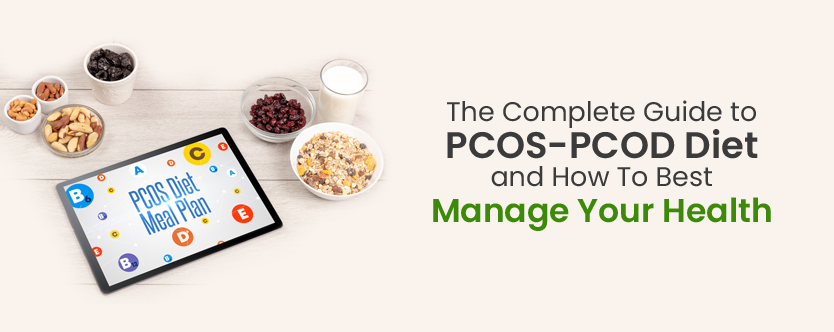
The Complete Guide to PCOS/PCOD Diet and How To Best Manage Your Health

PCOS/PCOD is a metabolism & hormonal imbalance-borne condition. With one in ten women suffering from PCOS, it is becoming the most occurring condition. Yes, PCOS is common. And, while a perfect remedy for it is yet to be found, some researchers suggest that a well-crafted PCOS diet plan in conjunction with sleep & stress management, exercise can do wonders to combat the issues caused by the condition.

PCOS creates ovarian cysts that lead to irregular periods, high levels of male hormones, excess hair growth, and acne. But, one of the most ailing effects of PCOS is weight gain and difficulty losing weight.

A well-balanced diet here affects PCOS in two ways: Weight management and insulin production & resistance. Out of these, insulin plays a significant role in PCOS, so managing insulin levels becomes essential to manage this condition.

When you have a diet that caters to your nutritional needs, it helps maintain a healthy weight and promotes good insulin levels, thereby making you feel good in general. Even though there is no specific diet that works for everyone with PCOS, there are some foods that everyone can benefit from.

Essentials for your PCOS and PCOD Diet Plan

  • Fibre enriched foods: To improve overall health & aid in weight loss
    Sources: Barley, oatmeal, beans, almonds & other nuts, fruits, and vegetables (broccoli, cauliflower, beans, sweet potatoes, pumpkin.) Green leafy vegetables are especially recommended for weight loss as they are rich in iron, potassium, calcium, and Vitamin K, C, E, and B. Colored vegetables, on the other hand, contain antioxidants and reduce oxidative stress in PCOS patients.
  • Anti-inflammatory foods: It would include food rich in prebiotics, fibre, antioxidants, and omega-3s.
    Sources: Vegetables; tomato & spinach, whole grains, legumes, almonds & walnuts, olive oil, turmeric & cinnamon are the best sources. You can also have fruits with a low glycemic index like guava, pears, strawberries, blueberries, kiwifruit, apples, oranges, and watermelons. They cut excessive sugar consumption & provide several minerals, poly nutrients, and fibre.
  • Good fats
    There are bad fats & then there are good fats too that your body needs to absorb various vitamins. Some of its sources are seeds, olive oil, avocado, and nuts.

Foods that should stay away from your PCOD PCOS diet plan

  • Red meat, fried, processed foods, and aerated drinks: consumption of these may cause inflammation in the body.
  • Ice creams, cakes, pastries, white potatoes, sugary desserts and drinks, sugary snacks, muffins, white bread, and all items made of white flour: These food items increase insulin resistance.

A well planned PCOS diet should look somewhat like this:

Do not follow any diet plan without expert consultation. Talk to your doctor or nutritionist and get a complete analysis of what needs to be in your diet.

  • Early Morning (Empty stomach): A glass of methi seed-infused water or green juice.
  • Breakfast: 1 cup green vegetables+whole grain chapati or upma, ragi idli, etc.
  • Lunch:
  • Evening Snacks: Puffed Rice/Roasted Chana. You can have tea/coffee/juice without added sugar.
  • Dinner: 1 Cup Quinoa or Oats+1 Millet Roti or one bowl each of brown Rice dal & vegetables

Few tips from our bag

  • Do not skip your breakfast as there are chances of overeating during mid-day meals, which may cause weight gain.
  • Women suffering from PCOS should have a nutritious packed breakfast devoid of any bad carbohydrates & inflammation-causing ingredients.
  • Try to drink water thirty minutes before your meal. It will help you curb appetite & make you feel full.
  • Chew your food properly as this would help you in digestion & reduce the chance of insulin resistance and thus weight gain.
  • Make sure to have dinner at least 2 hours before going to bed. Late dinners hamper the digestion process and ultimately disturb your sleep, and the body loses its natural rejuvenation process.

Lifestyle tips you need to put into action:

While a proper diet plan for PCOD has a significant role in fighting its symptoms, it cannot serve the whole purpose. You need to have a healthy & energized body that you can achieve by following the outlined lifestyle tips.

  • Physical activity: Exercise is key to maintaining good health & achieving peace of mind. You don’t need to go overboard with it. Half an hour of exercise is enough to lose weight & be physically and mentally fit. You can include various forms of workouts like cardio, weight training, and yoga. Yoga is one of the most recommended for PCOS as it leaves a calming effect on your mind, body & soul and helps reduce stress levels.
  • Sufficient Sleep: A sleep-deprived person tends to eat more in a day than one taking proper sleep. As a result, they gain more weight & are more prone to get affected by PCOS.
  • Say no to unhealthy junk food: Processed foods contain high amounts of salt, sugar & preservatives, trans fat, which can harm your body in many ways & may lead to increased blood pressure, trigger diabetes & cause weight gain. Once in a while is ok but try to avoid these foods as much you can.
  • Stay Positive: It is essential to keep a positive attitude when working on a healthy lifestyle to get the desired results!

Untreated PCOS can be devastating and give birth to multiple health problems & make you feel frustrated at times. Taking proactive steps regarding your health by incorporating a balanced PCOD diet plan, exercise with some medication (if required) can lift your mood & spirits high and reduce symptoms.

The post The Complete Guide to PCOS/PCOD Diet and How To Best Manage Your Health appeared first on Health Total.


Humans are social beings and supporting each other in challenging endeavours is often the best path to success.

Thus, one would imagine that peer support would be one of the key elements that can help nudge, motivate, encourage and ultimately steer someone towards their goals. 

Not surprisingly, peer support groups are often mentioned and recommended in the context of weight management and lifestyle change. 

But how effective are such groups in actually helping people change their lifestyles and support relevant outcomes (e.g. weight loss)?

This is the topic of a systematic review and meta-analysis by Lim Siew and colleagues from Monash University, Victoria, Australia, published in Obesity Reviews.

The researchers examined data from 65 studies, including over 15,000 participants,  looking at the effectiveness of peer intervention in changing body weight, energy intake, and physical activity in adults.

While statistically significant, the overall effects on these parameters were rather minimal – about 1 kg decrease in body weight, an 0.75 cm reduction in waist circumference, and a minute effect on physical activity with no change in energy intake. 

Interestingly, adding a health professional to the group appears to have little influence on the outcomes. 

As one may expect, there was considerable heterogeneity between studies and given the nature of peer-support groups, it was virtually impossible to pinpoint the source of variations in outcomes.

Thus, while peer-support groups may well provide other benefits to participants, as in social contact and support, they are hardly a reliable means of promoting lifestyle change. 

This should not discourage anyone from participating in such groups if they happen to find them helpful – however, there does not appear to be any pressing argument to join such a group if peer-groups are not your thing. . 

@DrSharma
Berlin, D 


Bariatric/metabolic surgery has been shown to promote improvements and even remission of type 2 diabetes. 

Now, as paper by Lena Oppenländer and her German colleagues, in a paper published in Molecular Metabolism, shows that vertical sleeve gastrectomy (VSG), in contrast to a low-energy diet results in fast ß-cell recovery in diabetic db/db mice, a model of severe obesity and type 2 diabetes.

Using single-cell profiling of islets of Langerhans, the researchers showed that VSG induced distinct, intrinsic changes in the β-cell transcriptome, but not in that of α-, δ-, and PP-cells. 

Furthermore, within two weeks of interventions, VSG triggered fast β-cell redifferentiation and functional improvement.

Expansion of β-cell area was attributed to both redifferentiation and by creating a proliferation competent β-cell state.

In addition, the paper presents substantial information on changes in molecular pathways that would in part explain these observations. 

Although evidence from animal studies should always be taken with a grain of salt, these studies should lead to further exploration of similar mechanisms resulting in the restoration of ß-cell function in humans following metabolic surgery. 

DrSharma
Berlin, D


MKRdezign

Contact Form

Name

Email *

Message *

Powered by Blogger.
Javascript DisablePlease Enable Javascript To See All Widget