Whoever coined the phrase “good things come in small packages” must have had seeds on the brain. Small but mighty, many seeds pack a pretty powerful nutrition punch. Many deliver a concentrated dose of protein, fiber and healthy fats in a very small serving. Plus, seeds don’t have an overwhelming flavor, which make them an ideal addition to salads, smoothies, soups, yogurt, puddings and breakfast cereals. So if you’re wondering which seeds you need to be eating on your weight loss meal plan—look no further! We’ve got it all mapped out for you!
Go Nuts for Nuts: 10 Nuts to Add to Your Diet
Read More 
Here are nine (super) seeds you need to be eating in your daily diet:
1. Chia Seeds
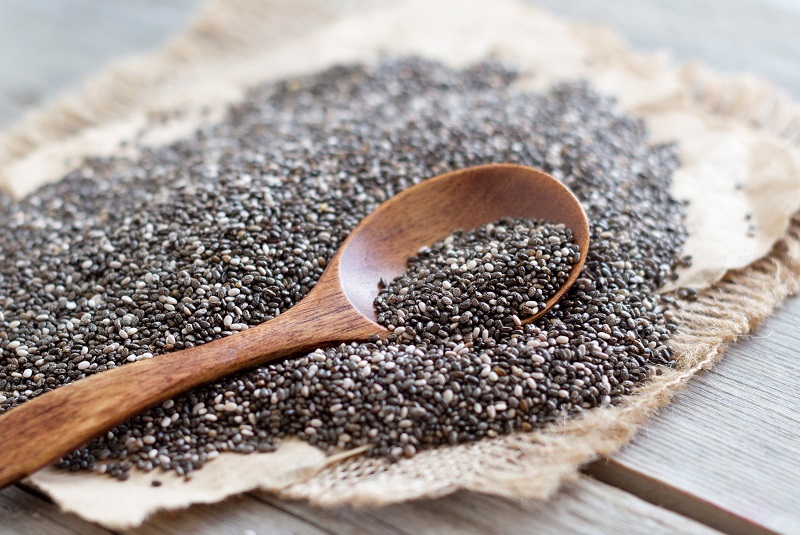
To kick off our list of seeds you need to be eating, we’ve got a fan-favorite. If the word “chia” conjures up images of clay figurines covered in plant “hair,” you’re probably surprised to hear that this edible little seed tops our list. But the chia seed, which was a staple in the ancient Aztec diet, is packed with so much nutrition, it’s better off in your pantry than on your chia pet.
At five grams per tablespoon, chia seeds are an excellent source of fiber–which by now you know can help you feel fuller longer, keeps things moving in your GI tract, and may also help prevent a number of conditions, including cancer, heart disease and type 2 diabetes.
Chia seeds are also packed with omega-3 fatty acids and contain protein, iron, calcium, magnesium and zinc.
Animal studies and small human studies also suggest that including chia seeds as part of a healthy diet may actually help lower cholesterol, triglycerides and blood pressure–though more research is needed.
So how do you incorporate these nutritional nuggets into your diet? Add them to smoothies, sprinkle them on salads, oatmeal, cottage cheese and yogurt, or make a healthy jam or pudding with them.
2. Flax Seeds
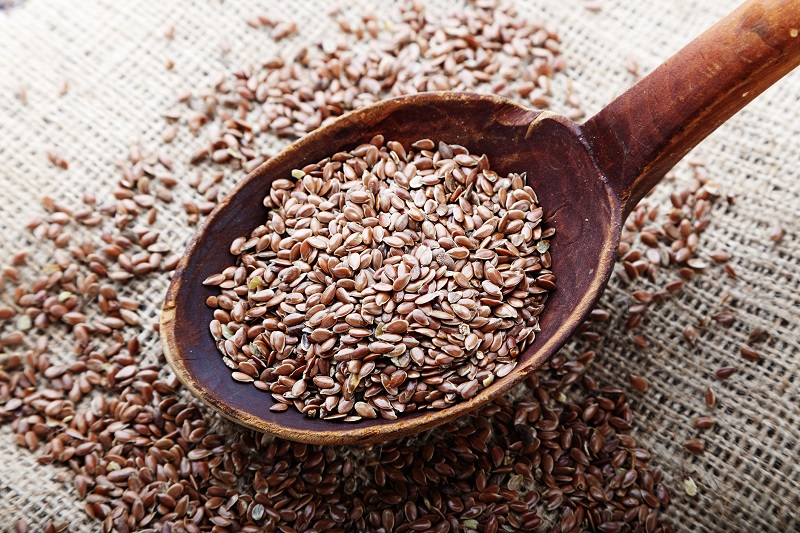
Flax seeds are high on our list of seeds you need to be eating and have become increasingly popular in recent years, transitioning from health buffs’ best kept secret to a diet staple for the broader population–and with good reason. Like chia seeds, flax seeds are high in fiber–they contain two grams of dietary fiber per tablespoon, and polyunsaturated fatty acids–they serve up two grams per tablespoon. They also contain body-boosting phytochemicals called lignins.
Research suggests that flax seeds may help improve digestive health and relieve constipation, thanks to their fiber content. Other research suggests that they may help lower total blood cholesterol and low-density lipoprotein–the notoriously “bad” cholesterol, which may help reduce the risk of heart disease.
Flax seeds have a very neutral flavor profile, which means they go unnoticed when added to cereals, smoothies, soups and salads. Ground flax seeds are a great addition to baked goods as well.
3. Pumpkin Seeds
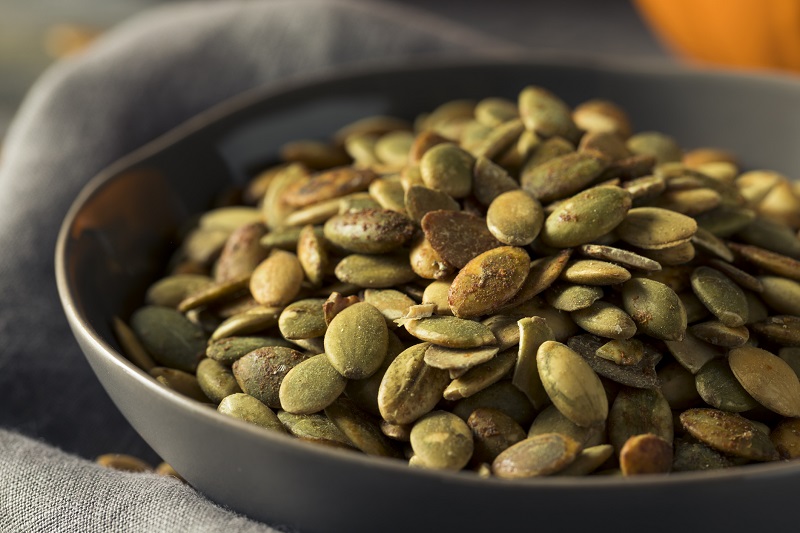
More formally known as pepitas, these little gems might be the first thing you toss while carving pumpkins–but they shouldn’t be. That’s because they’re an excellent source of healthy fats, magnesium and phosphorous. They’re also a good source of iron and zinc. And, you’ll get a whopping eight grams of protein per ounce.
You can roast them yourself, or buy them ready-to-eat. They make a tasty snack on their own, and also make a great topping for salads, oatmeal, puddings, yogurt and homemade breads. You can even mix them with some dried fruit and nuts for a delicious DIY trail mix.
4. Pomegranate Seeds
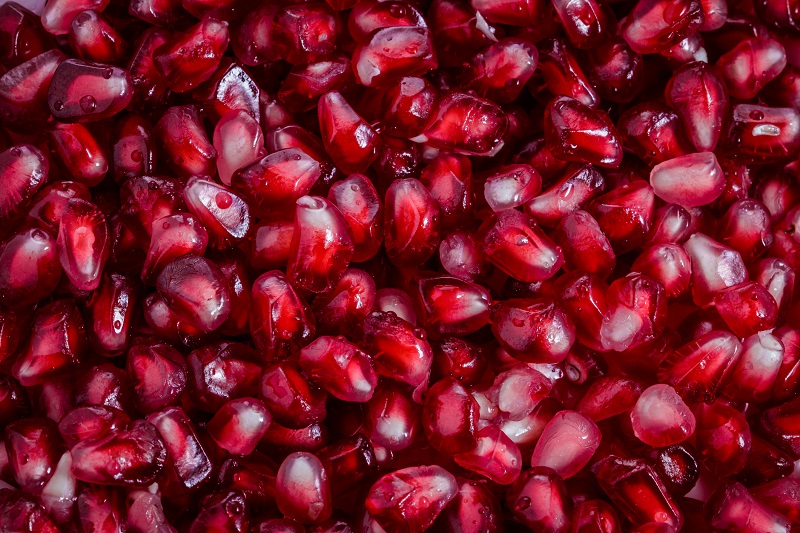
Also called arils, pomegranate seeds are nutritional powerhouses—which is exactly why they landed a spot on our list of seeds you need to be eating. A half cup of these beautiful red gems contains just 72 calories and nearly four grams of fiber—14 percent of the recommended daily amount for women.
These beauties also serve up some serious vitamin C, vitamin K, folate and potassium. And the antioxidants found in the juice portion of the seeds has been linked to improved triglyceride and cholesterol levels–which means they’re good for your cardiovascular health as well. Antioxidants can also help protect healthy cells from inflammation, which has been linked to cancer.
As with all the seeds on our list, pomegranate seeds are extremely versatile. They make a great addition to salads , yogurt, smoothies and oatmeal. They’re also delicious on their own, offering up a sweet, tangy and crunchy snack. (For more delicious ways to enjoy pomegranate seeds, check out this helpful guide.)
10 Meatless Ways to Get in Enough Protein for Vegetarians
Read More
5. Hemp Seeds
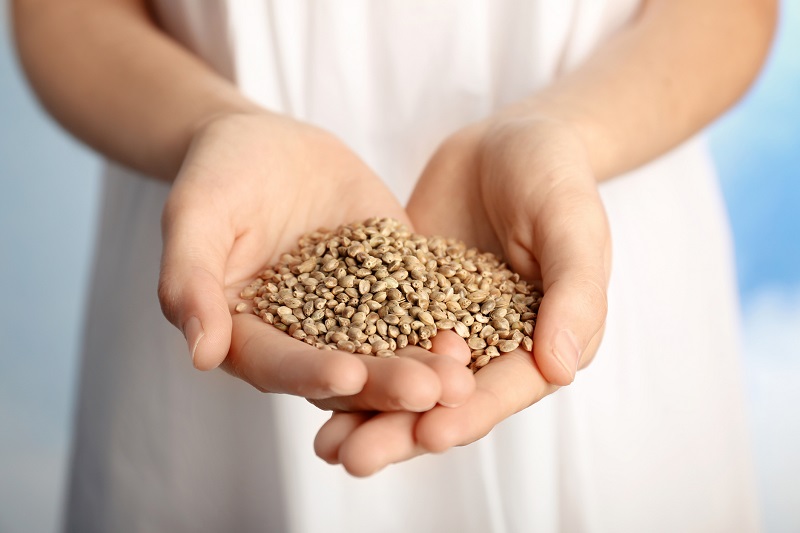
One of the few plant foods containing all nine essential amino acids, hemp seeds are extra unique because they’re considered a complete protein. Three tablespoons of these little seeds dishes out nearly 11 grams of protein. Not only that, hemp seeds are an excellent source of fiber, and they’re packed with omega-3 fatty acids, which promote heart health and proper brain function.
Add hemp seeds to your salads and stir-fries, poke bowls and casseroles—giving you even more reason to add these to the list of seeds you need to be eating.
6. Mustard Seeds
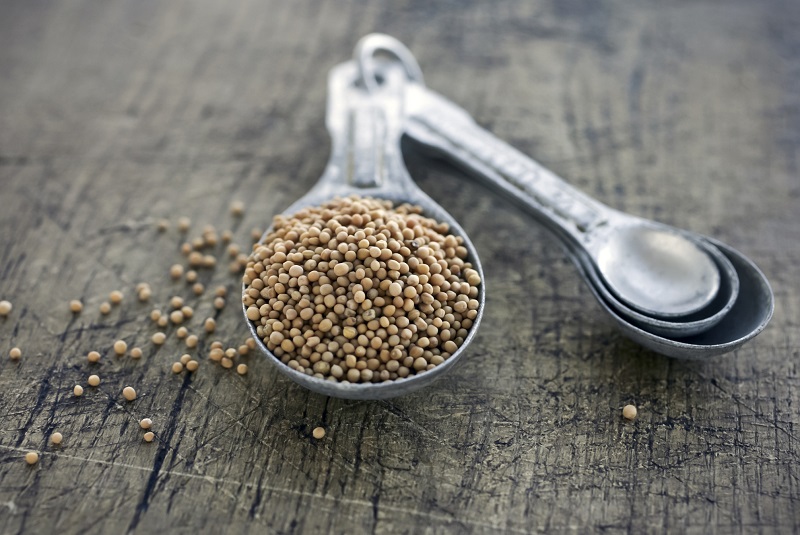
Available in yellow, brown or black, mustard seeds are used to make everyone’s favorite yellow condiment and are also used in pickling vegetables.
Per ounce, mustard seeds contain an impressive seven grams of protein. They are also an excellent source of selenium, a very good source of omega-3 fatty acids and manganese, and a good source of phosphorus, magnesium, copper and vitamin B1. Talk about a super seed!
To reap the benefits of this seed, add Dijon mustard to your favorite vinegar-based salad dressings, blend them with your favorite prepared mustard then dredge a chicken breast or marinate a piece of salmon in the mixture and bake, combine mustard with honey for a sweet and savory dipping sauce, or top rice dishes, grain salads, stir-fries and poke bowls with mustard seeds.
7. Sesame Seeds
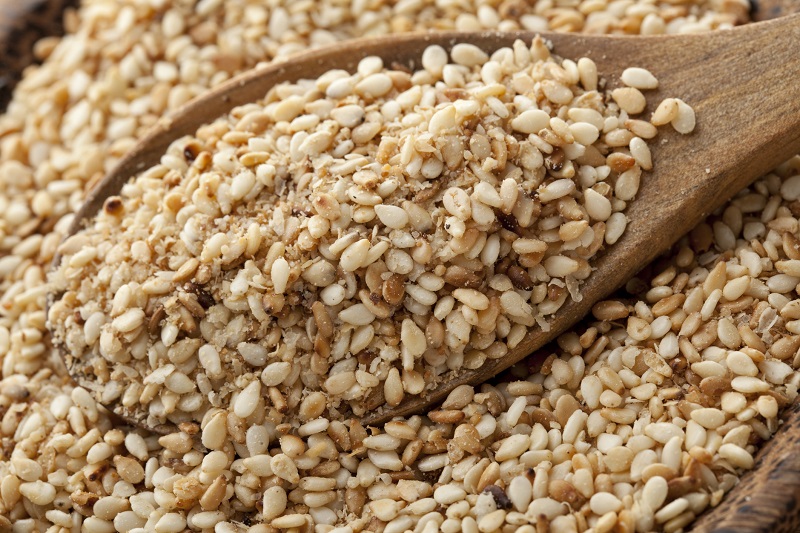
An excellent source of iron and calcium, one serving of these little seeds also contains more phytosterols than almost every other nut and seed. Research suggests that these nutrients can help lower cholesterol and possibly protect against cancer.
Sesame seeds add a somewhat nutty taste and a little bit of crunch to salads, soups, noodle bowls and stir-fries. Opt for unhulled varieties when possible, as these tend to be more nutrient-dense.
10 Nutrisystem-Approved Foods to Lose Belly Fat
Read More
8. Poppy Seeds
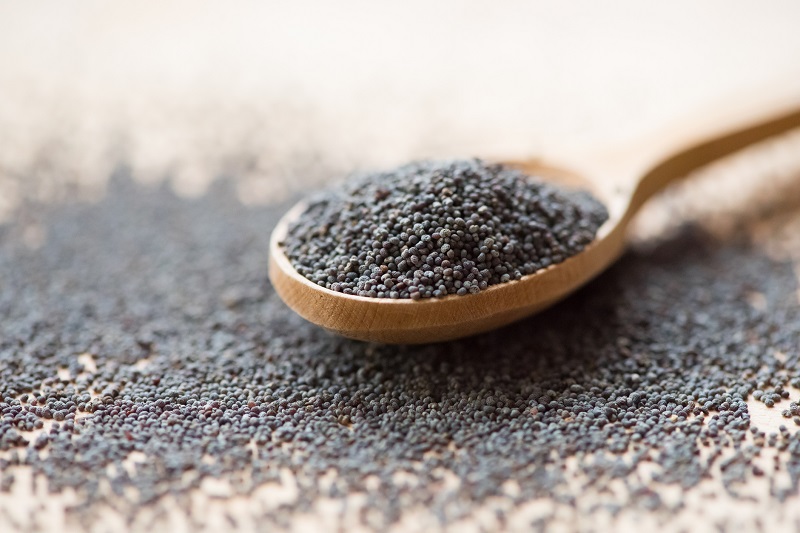
An excellent source of calcium and a good source of iron, poppy seeds also contain five grams of protein and nearly six grams of fiber per ounce.
Sprinkle them on salads (we love them on strawberry and watermelon salads) or stir-fries, or sneak them into your pancakes like we did with these popular Lemon Poppy Seed Pancakes.
9. Sunflower Seeds
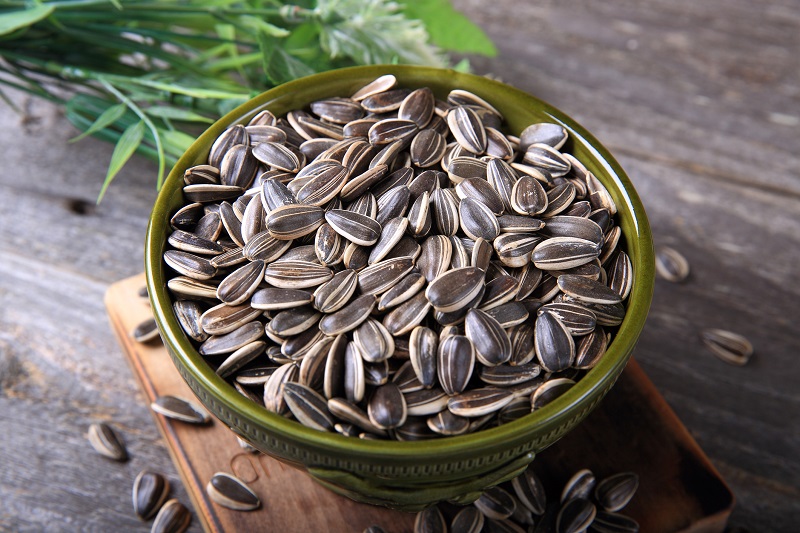
Ground up, sunflower seeds make a great alternative to nut butters for those who have a nut allergy or just want to try something new. It’s smooth and creamy, and has a fairly mild taste.
But their texture and palate-pleasing flavor aren’t the only reason these seeds made our list.
Sunflower seeds are also quite nutritious–one ounce (about a quarter cup) of hulled seeds is rich in vitamin E, known for its anti-inflammatory properties and possible protection against heart disease; folate, which is essential for DNA synthesis; phosphorus, a key component of bone health; selenium, an antioxidant that wards off cell damage; manganese, which is crucial for bone development; copper, which can boost heart health and immunity; B6, which can help with cognitive development and function; and zinc, which plays a role in metabolism and immunity.
Enjoy the seeds on their own, as a topping for salads or in a homemade trail mix or granola. Use sunflower seed butter as you would nut butters–with toast, bananas, apples, carrots or celery sticks.
The post 9 Seeds You Need to Be Eating appeared first on The Leaf.




 Rewind: More Practical Fasting Tips

 IDM Members
 Well, it depends, says IDM’s Nadia Pateguana…
 Many want to practice a “water and salt only” fast. Likely their objective is to achieve the sometimes seemingly unattainable autophagy.

