Latest Post

Our ancestors who lived without grains, sugars, and soft drinks enjoy predictable bowel behavior. They ate some turtle, fish, clams, mushrooms, coconut, or mongongo nuts for breakfast, and out it all came that afternoon or evening—large, steamy, filled with undigested remains and prolific quantities of bacteria, no straining, laxatives, or stack of magazines required. If instead you are living a modern life and have pancakes with maple syrup for breakfast and you’ll be lucky to pass that out by tomorrow or the next day. Or perhaps you will be constipated, not passing out your pancakes and syrup for days, passing it incompletely in hard, painful bits and pieces. In constipation’s most extreme forms, the remains of pancakes can stay in your colon for weeks.

Bran is not the answer.

We have been given advice to consume more fiber. So we eat bran cereal/muffins, whole grain breads or drink powdered fiber supplements. Most of these grain-based foods contain insoluble cellulose (wood) fibers. This does work for some, as indigestible cellulose fibers, undigested by our own digestive apparatus as well as undigested by bowel flora, yields “bulk” that people mistake for a healthy bowel movement. Never mind that all of the other disruptions of digestion, from your mouth on down, are not addressed by loading up your diet with wood fibers. What if sluggish bowel movements prove unresponsive to such fibers? That’s when health care comes to the rescue with laxatives.

Drugs are not the answer.

Laxatives are prescribed in a variety of forms, some irritative (phenolphthalein and senna), some lubricating (dioctyl sodium sulfosuccinate), some osmotic (polyethylene glycol), some no different than spraying you down with a hose (enemas).

Opiate drugs such as Oxycontin and morphine are commonly constipating. There’s even a new drug being widely advertised to “treat” the constipation side-effect of opiates: Relistor, or methylnaltrexone, an opiate-blocker that requires injection and costs around $700 per month. Those of you who have read Undoctored or Wheat Belly Total Health recall that the gliadin protein of wheat and related proteins in other grains (e.g., secalin in rye) are partially digested to peptides that have opiate (“opioid”) properties, including binding to the opiate receptors in the human intestine. Wheat and grains therefore contain a disrupter of intestinal motility.

Living grain-free is the answer.

Simply remove wheat and grains and constipation, even obstipation (severe, unrelenting constipation with bowel movements occurring every several weeks), can be relieved within a couple of weeks, often within just a few days. People with autoimmune conditions—such as ulcerative colitis, Crohn’s disease, celiac disease—typically start to experience improvements as well.

This works because you have just removed the opiates that slow the intestinal passage of food. You will have removed a source of cellulose fiber, as well as the modest content of prebiotic fibers from grains, namely amylose and arabinoxylan, but these are easily replaced.

The Undoctored / Wheat Belly approach to eliminating constipation is simple:

  • Eliminate all wheat and grains–thereby eliminating gliadin-derived opiates.
  • Cultivate the garden called bowel flora–by “seeding” with a high-potency probiotic, followed by “water and fertilizer” to nourish desired species with prebiotic fibers.
  • Hydrate well.
  • Supplement with magnesium. Ever notice that many laxatives are nothing more thanforms of magnesium, such as milk of magnesia (magnesium hydroxide)? Virtually everyone begins with a magnesium deficiency. A magnesium deficiency adds to disrupted intestinal motility. This is reversed by supplementing magnesium. However, the degree of stool loosening varies among the different preparations due to their variations in osmotic (water-imbibing) effects.
Here is where choosing a less efficiently absorbed form of magnesium may be preferable. Such forms cause an osmotic effect, pulling water into the intestines, a benign process compared to irritative laxatives like phenolphthalein or senna that exert low-grade damage over time and are even associated with cancer risk.Magnesium water and magnesium malate are among our preferred forms, as they are least likely to generate loose stools while softly helping out with regularity. Magnesium citrate can be used if you do indeed need a bit more stool softening and regularity (which can be due to delayed recovery of intestinal motility after removing wheat and grains). Taking 400 milligrams of magnesium citrate two or three times per day is a good place to start. If nothing happens after 24 hours, one or more doses of 800 to 1,200 milligrams will usually do the trick; then back down to the 400-milligram dose two or three times per day.
  • Supplement with fiber. This is not necessary for the majority of people living the Undoctored / Wheat Belly lifestyle. Only a rare person needs to add fiber beyond the prebiotic fibers that we supplement to cultivate bowel flora. Just by adhering to the simple strategies of consuming nuts; seeds such as pumpkin, sesame, chia, flaxseed, and sunflower; eating plenty of vegetable with limited servings of fruit and legumes like chickpeas, you obtain plentiful quantities of cellulose and other fibers. If you are among those who do better with supplemental fiber for “bulk,” ground golden flaxseed, chia seed, and psyllium seed (e.g., 1 tablespoon added to foods) are benign forms.

You can see that the Undoctored /Wheat Belly approach does not rely on artificial means of reversing constipation to restore normal gut motility. On this lifestyle you will also not have to deal with acid reflux or the bloating and diarrhea of irritable bowel syndrome without taking acid-blocking or antispasmodic drugs.

This lifestyle does not load up on unnatural quantities of cellulose fiber, as you would by eating bran cereals and muffins, nor does it rely on intestinal irritants, softening agents, or opiate-blocking drugs. The Wheat Belly approach removes all disrupters of intestinal motility, restores bowel flora, and encourages the consumption of foods that naturally support bowel health. It’s your choice.

The post Constipated Society appeared first on Dr. William Davis.


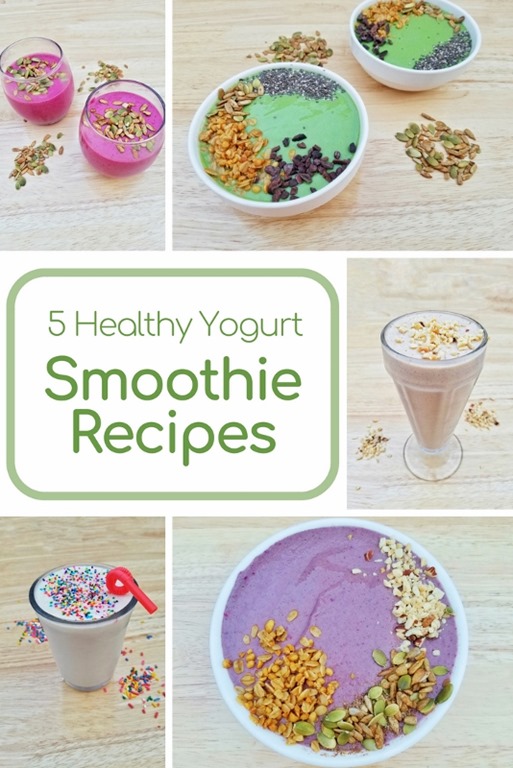
5 Smoothie Recipes with yogurt healthy breakfast for the week (534x800)

Trying to eat healthier? Need a quick breakfast? Want to switch up your usual post-workout snack? We can do all of those with these delicious and healthy smoothie recipes!

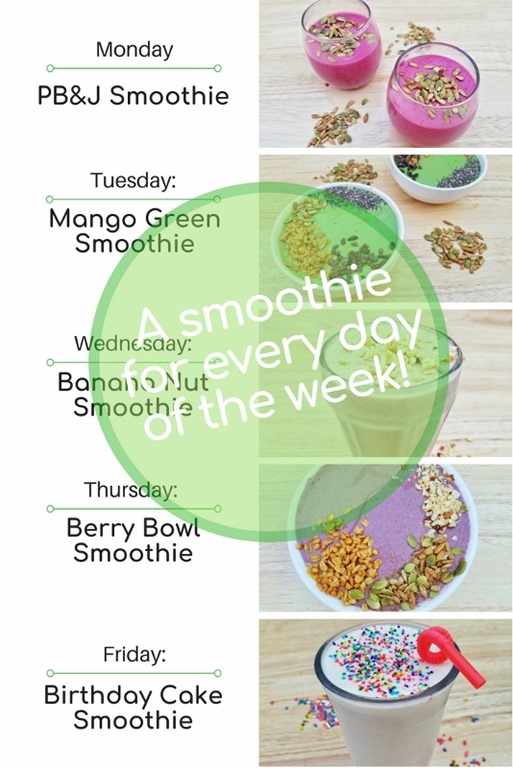
This week I’m sharing a different smoothie recipe each day. All of them are made with yogurt to help keep you full (it’s packed with protein) and fruit to sweeten the deal! Plus a few other healthy ingredients for a different delicious smoothie from Monday through Friday!

One 8 oz serving of vanilla yogurt has about 10g of protein. And adding whole grains (from the quick cook oats), fruit that’s packed with fiber and sweetens the smoothie plus healthy fats (from the nuts and chia seeds) – all contribute to a healthy and filling grab-and-go breakfast. I’ve found that when I have a good amount of protein and fat at breakfast or after a workout – I stay full longer than when I have a light snack or something that’s not balanced this way.

5 Healthy Smoothie Recipes with Yogurt


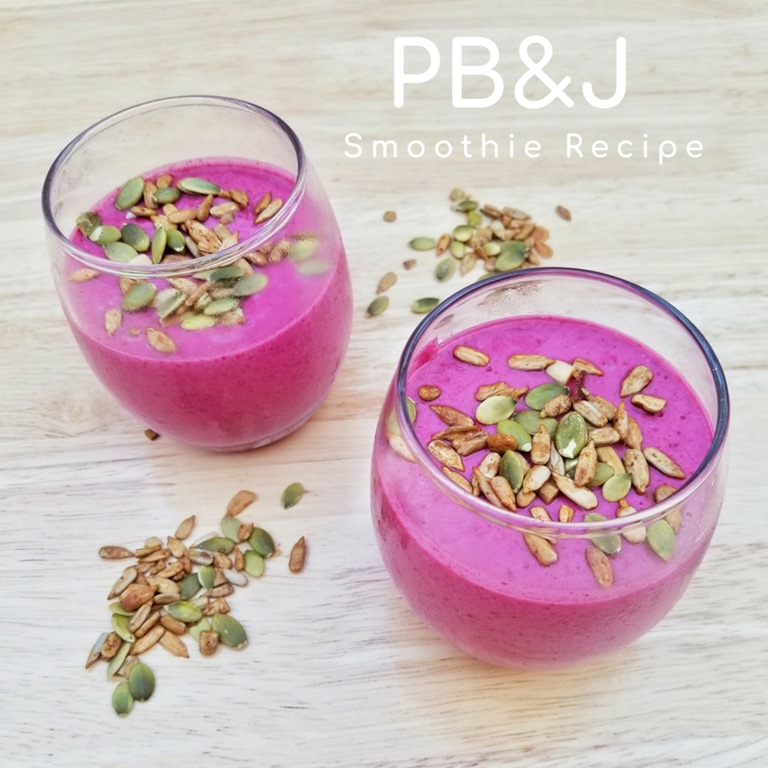
PB and J Smoothie Recipe with yogurt (800x800)

PB&J Smoothie Recipe:

  • 1 – 6oz Real California milk vanilla yogurt
  • 1 cup frozen berries
  • 1/4 cup quick cook oats
  • 1 tsp sugar or stevia
  • ice and a splash of water or milk

Directions: Combine all ingredients. Blend thoroughly in blender.

Enjoy! Optional: Top with granola or nuts.


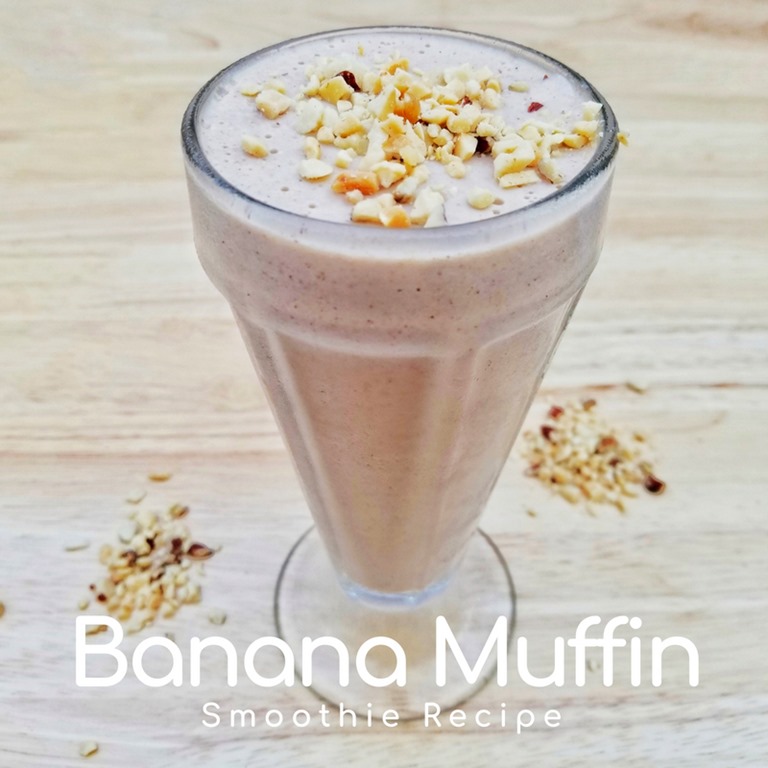
Banana Nut Muffin Smoothie Recipe (800x800)


Banana Nut Smoothie Recipe:

  • 1 – 6oz Real California milk vanilla yogurt
  • 1 cup frozen banana slices
  • 1/4 cup quick cook oats
  • 1 Tb. peanut butter
  • 1/4 tsp cinnamon 
  • ice and a splash of water or milk


Directions: Combine all ingredients. Blend thoroughly. Serve topped with nuts and a sprinkle of cinnamon.


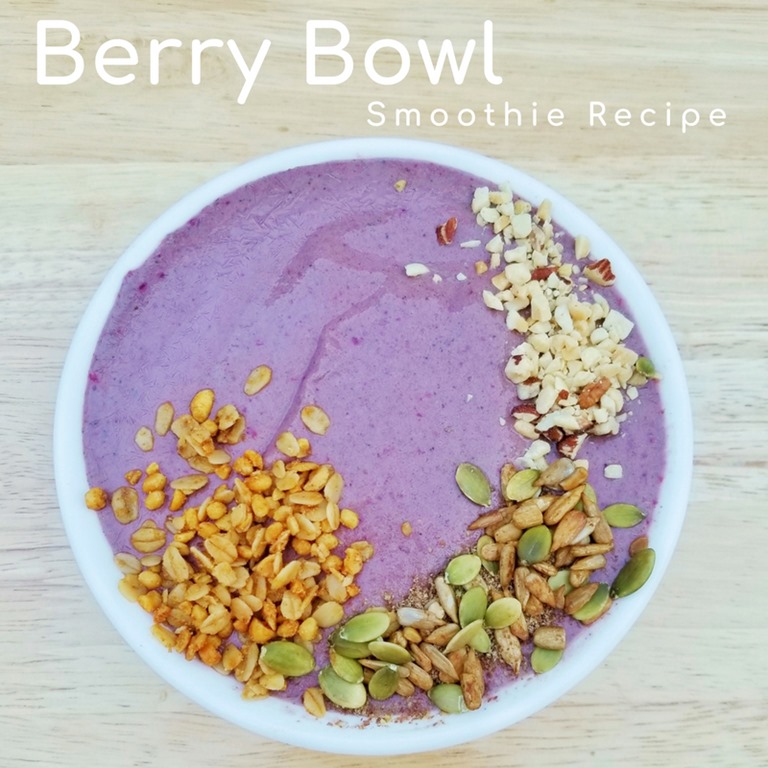
Berry Bowl Smoothie Recipe (800x800)

Berry Bowl Smoothie Recipe

  • 1 cup Real California milk berry yogurt (or vanilla flavored)
  • 1 cup frozen blueberries
  • handful spinach
  • 1 Tb. flax seeds
  • ice or a splash of milk (depending on how thick you’d like it)


Directions: Combine all ingredients. Blend thoroughly. Add ice or a splash of milk to get desired consistency – add ice to make it thicker, add milk to make it a drink.

Serve topped with nuts, granola or your favorite smoothie bowl toppings.


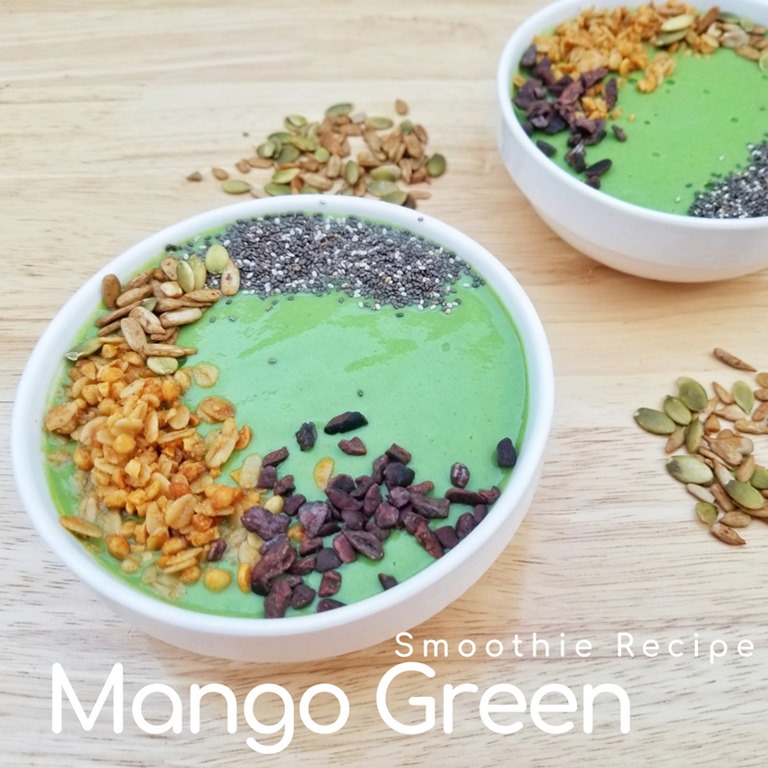
Mango Green Smoothie Recipe (800x800)


ManGo Green Smoothie Bowl Recipe:

  • 1 – 6oz Real California milk vanilla yogurt
  • 1 cup frozen mango
  • handful of spinach
  • 1 Tb. chia seeds
  • (ice or splash of milk to get desired consistency)

Directions: Combine all ingredients. Blend thoroughly – adding a splash of water if it’s too thick. Serve topped with granola, cacao nibs, chia seeds, nuts, etc…


Birthday Cake Smoothie Recipe (1) (800x800)

Birthday Cake Smoothie Recipe

  • 1 6oz. Real California milk vanilla yogurt
  • 1/2 cup frozen bananas
  • 1/4 cup quick cook oats
  • 1 tsp sugar or stevia
  • 1/8 tsp vanilla extract, cinnamon, salt (optional)


Directions: Combine all ingredients. Blend thoroughly. Serve topped with sprinkles.

Tip: Blend it for a little longer than you think needed to make it extra fluffy and smooth.


5 smoothie recipes with yogurt for every day of the week (1) (534x800)

You can switch out the flavor of yogurt suggested above for your favorite. I always have a few containers in the fridge for quick snacks or smoothies like this. It’s just a super easy healthy snack.

Yogurt has:

  • Protein, which helps build and repair muscle tissue
  • Calcium and phosphorus, which help build and maintain strong bones and teeth
  • Riboflavin and pantothenic acid, which help your body use carbs, fats and protein for fuel
  • Vitamin B12, which helps with normal blood function and keeping the nervous system healthy
  • Zinc, which helps maintain a healthy immune system

(source)

Bonus – a new study suggests yogurt may help lower cardiovascular disease risk in adults with high blood pressure. – check out the study on the National Dairy Council site here


yogurt smoothie recipes (800x800)

Look for the Real California Milk seal when you’re buying yogurt for these recipes or other dairy!

You can find  Real California Milk sold at your nearest grocery store here – product locator.


In the mood for something savory instead?

Check out this >>>  Breakfast Pizza Recipe


Question: Which smoothie would you want first?

This post is in partnership with Real California Milk. All opinions are my own.

The post 5 Fast and Healthy Smoothie Recipes with Yogurt (no protein powder needed) appeared first on Run Eat Repeat.


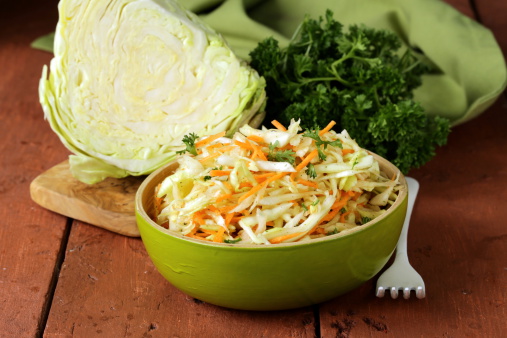
When you’re asked to bring a dish to the neighborhood barbecue, volunteer to bring the slaw—because after reading this, you’ll have some great slaw recipe ideas.

Not only is slaw easy to make, but you can also control what’s added to make sure you have a healthy, low-calorie option at any occasion.

23 Dishes to Bring to the BBQ

Read More

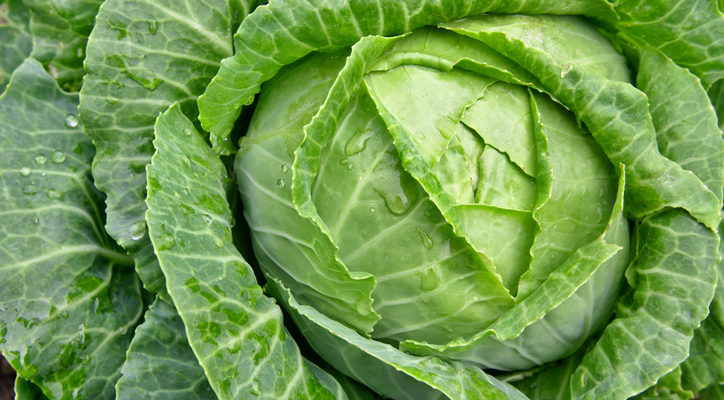
Each slaw recipe has cabbage or broccoli—or both—and the many health benefits that come with them. Brassica vegetables like cabbage and broccoli are food powerhouses and veggies like kale and Brussels sprouts are part of this family.

Brasscias are studied for their many plant chemicals that may help prevent cancer. According to the National Cancer Institute, the compounds they contain may help protect your cells from DNA damage, reduce inflammation, induce cell death in cancer cells, prevent the body from producing blood vessels to feed tumors and deactivate cancer-causing substances, including the ones created when you cook meat at high temperatures (think grilling).

10 Green Foods to Add to Your Diet ASAP

Read More

Scientists at the University of Rochester School of Medicine and Dentistry published a study suggesting that foods like cabbage and broccoli may help protect you from Alzheimer’s disease, too, by reducing levels of the damaging proteins that accumulate in the brains of Alzheimer’s patients.

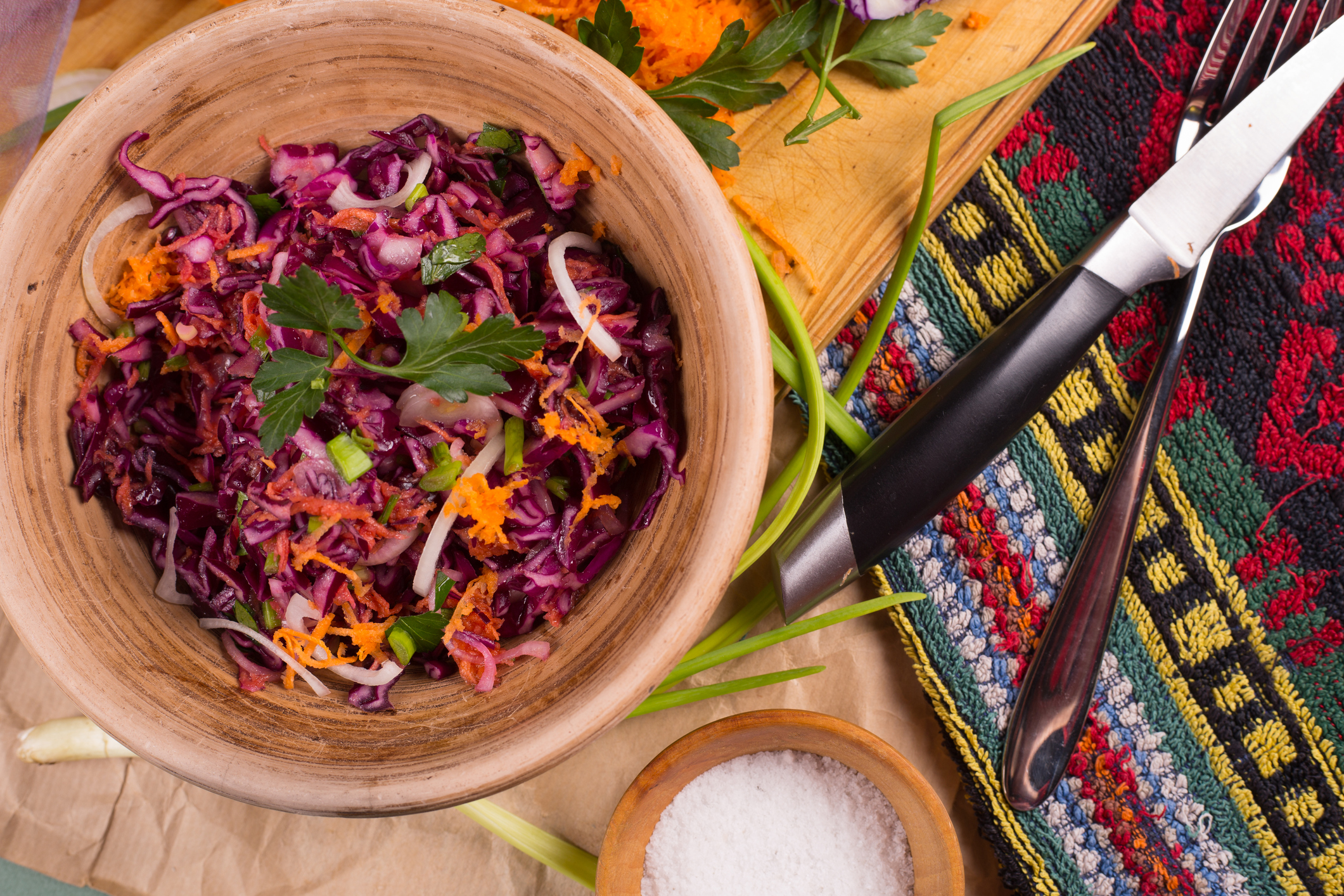
The addition of the deeply hued red cabbage to your slaw recipe adds even more beneficial plant compounds. Often, the deeper the color, the more healthy chemicals a food contains. Think Napa and Asian cabbages or broccoli to add a slightly different texture and flavor to your slaw.

Try these four kitchen-tested slaw recipe creations that are as healthy as they are tasty:

Helpful Hint: Click on the recipe name to view the full recipe.

1. Spicy Peanut Slaw >

spicy peanut - slaw recipes

Rice vinegar, soy sauce, peanut butter and peanuts give this slaw a tangy-sweet taste that pairs well with barbecue and uses a slaw mix so it only takes minutes to prepare. On a Nutrisystem plan, it counts as one PowerFuel and two vegetables. Click here to see the recipe! >

2. Napa Mint Slaw >

napa mint - slaw recipes

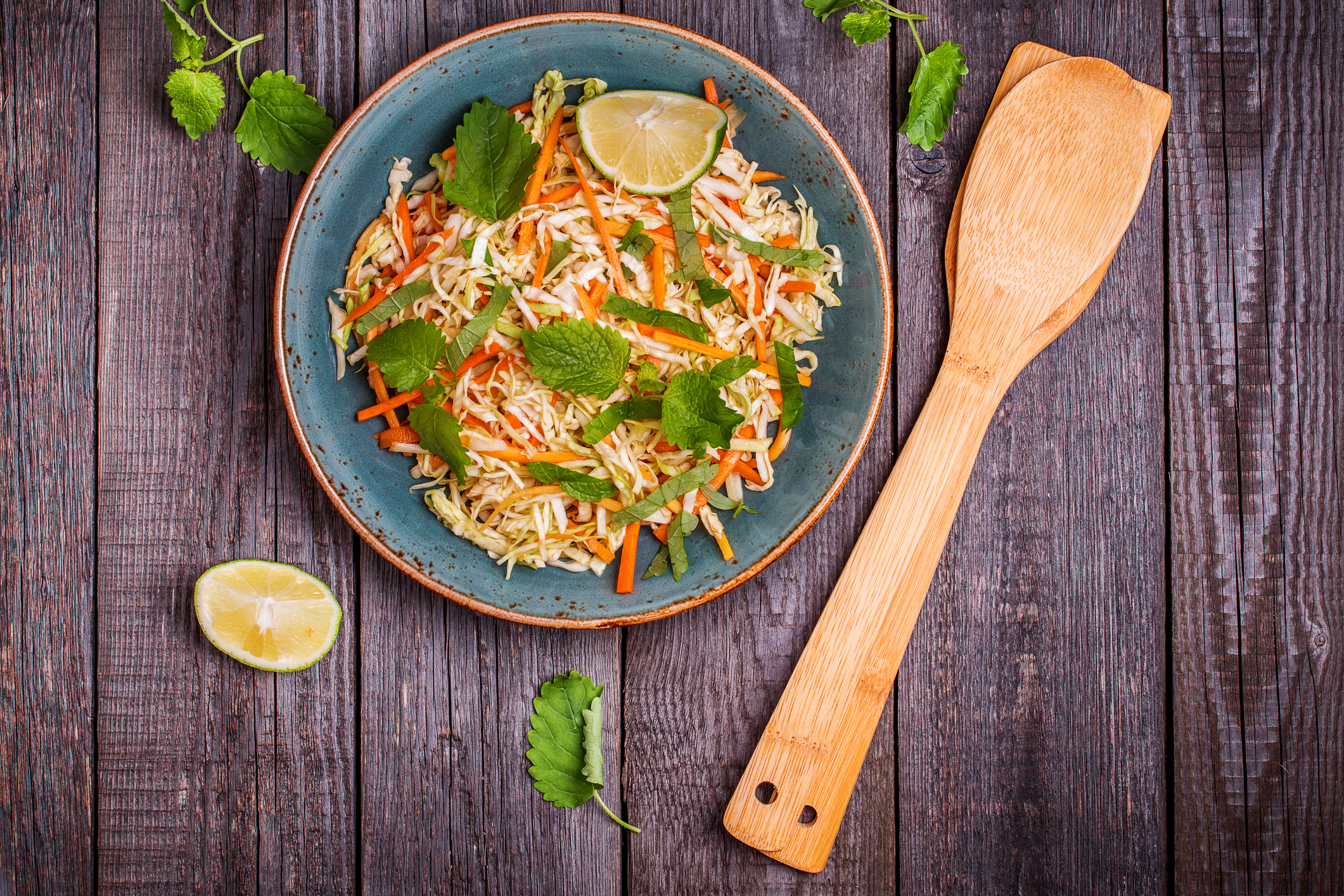
Though it sounds like it comes from the wine country of California, Napa cabbage is actually a Chinese variety with a crisp, fresh texture that’s less bitter than the green cabbage you’re used to. This recipe makes it even more refreshing with the addition of zucchini shreds, apple chunks and fresh mint, all tossed in a honey-lime dressing. On a Nutrisystem plan, it counts as half a SmartCarb, one Vegetable and one Extra. Click here to get the recipe >

3. Spicy Sriracha Slaw >

spicy slaw recipe

This riff off typical deli slaw substitutes a yogurt-based dressing for mayo and adds cilantro for a bit of an international flavor. The recipe calls for equal parts green and red cabbage which boosts the health benefits of this slaw. It also has a secret ingredient—a half teaspoon of hot sauce or siracha—that makes it anything but typical. On a Nutrisystem plan, this counts as one Vegetable. Click here to get the recipe >

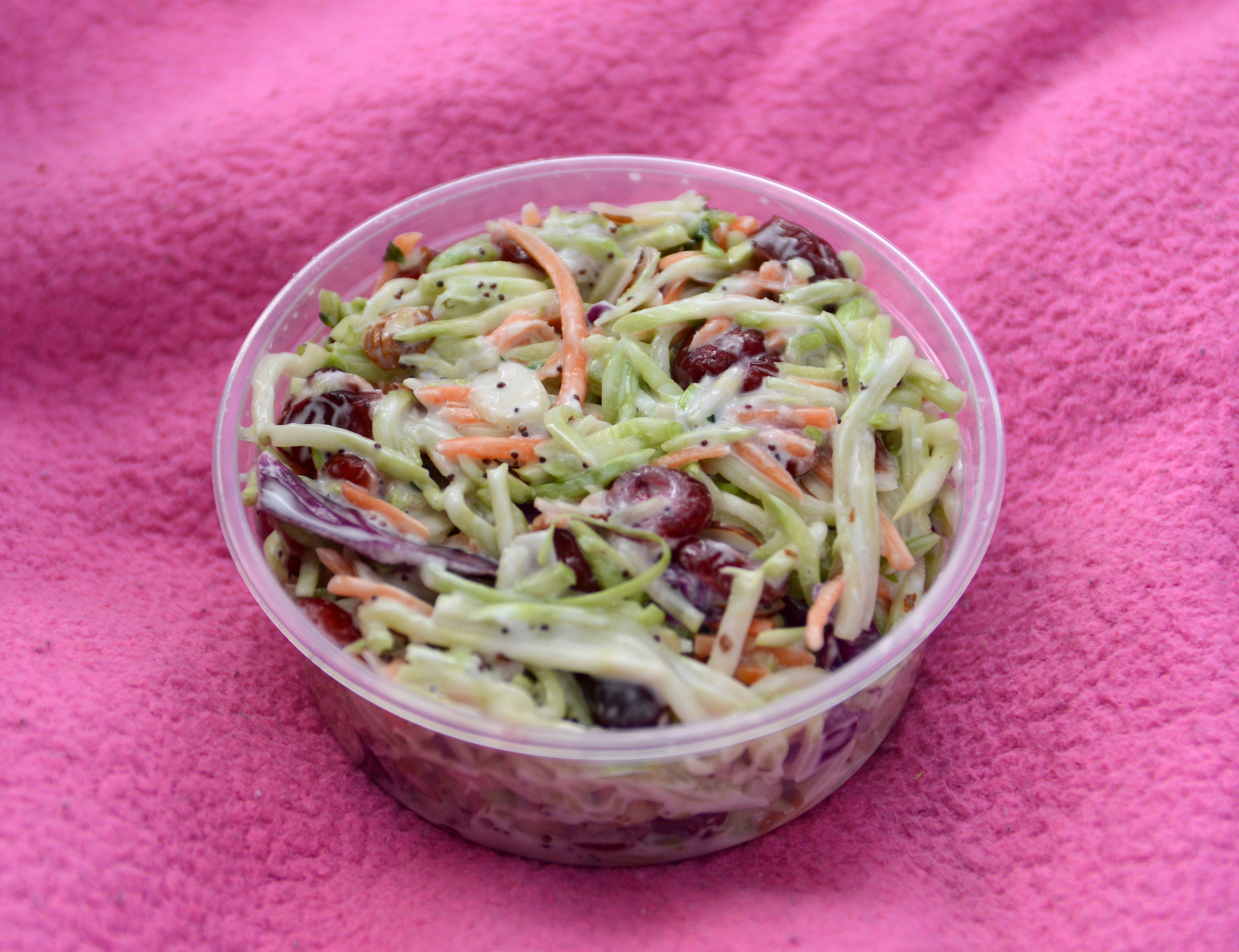
4. Tangy Broccoli Slaw with Cranberries and Lime Drizzle >

broccoli slaw

This Broccoli Slaw with Cranberries and Lime is a sweet and tangy take on a stale old BBQ classic (no offense, cole slaw!). The best part is, this Broccoli Slaw is so easy to make and so delicious, even your pickiest dinner guests will be grabbing for seconds. Featuring a sprinkle of sweetness from honey and dried cranberries, and a touch of tang thanks to the addition of lime juice and cilantro, this nutrient-packed side dish is so tasty, it’s sure to steal the show at your next party or gathering. Click here to get the recipe >

Research Reveals the Top 25 Superfoods

Read More

The post Slaw Recipe Round Up: 4 Awesome Coleslaw Creations appeared first on The Leaf.


Alchemy is an ancient pursuit dating back some 40 centuries, an effort to explore immortality, panaceas that cure any and all human diseases, and the conversion of, say, lead to gold to generate endless riches. It was also a collection of efforts that helped divine scientific exploration and explore early chemistry.

So what is “malchemy”?

Malchemy (mal = bad) is my term for the magical conversion of healthy, slender, well-adapted humans with healthy skin, bones, teeth, and gastrointestinal tracts to that of obese, fatigued, bloated, red-faced, disease-plagued humans, a startling and dramatic transformation. While most aspects of alchemy have never been achieved over the millennia, in the space of 50 years—1% of the time that alchemy was practiced and failed—the magic of malchemy has been mastered.

The wisdom of the USDA, the U.S. Department of Health and Human Services, the American Heart Association, the Academy of Nutrition and Dietetics, the American Diabetes Association and others have refined malchemy into a science. Having engaged in several decades of advice to cut total and saturated fat, pack the diet with wheat and grains, consume sugar in moderation, move more and eat less, and they have achieved the equivalent of converting a bowl of molten lead into 24-karat gold.

If you would like to view the official dietary version of gold that makes the alchemist hugely wealthy, just go to your nearest Walmart or shopping mall: huge people who walk with feet set far apart given their enormous thighs; arms splayed to the side, suspended by enormous folds of chest and abdominal fat; red, seborrheic faces; hobbling gaits due to painful feet, knees,  hips, and edematous legs; oodles of motorized scooters; prescription pill dispensers filled to the brim.

So where is the gold in this modern version? Well, it’s not gold in the pockets of Walmart shoppers—it’s gold in the pockets of people who sell processed junk food, pharmaceutical companies who “treat” health consequences of conventional dietary advice, multi-billion dollar hospital systems who deliver what is now passed off as “healthcare” for perverse sums, medical device companies who live in the shadows but are among the biggest wealth recipients of all, doctors who drank the healthcare Kool-Aid and believe that they are doing public good but are complicit in this perverted chemistry.

Americans are therefore the victims of a peculiar and perverse form of health alchemy. If you’d like to undo this thing I call malchemy and return to your natural state of being slender, vigorous, healthy without need for medications, doctors, or procedures, I can just wave my magic wand and—voila—you can be restored to your natural, original state. But it means doing the OPPOSITE that all conventional healthcare advisers tell you: DON’T cut your fat or saturated fat. DON’T eat more “healthy whole grains.” Do NOT engage in moderation, do NOT move more and eat less. Do NOT ask your doctor whether “Enbrel is right for you.” Do NOT ask your doctor whether fish oil is safe because it “thins the blood.” Do NOT ask the doctor why you have excessive gas, bloating, and abdominal discomfort when the solutions are an endoscopy, Prilosec, and a pat on the back because you don’t have colon cancer.

You can perform your own version of magic and, like a wizard converting a frog back to a handsome prince, return to the person you were meant to be before these evil spirits got tangled in your life. That is what we do in the Wheat Belly lifestyle: we perform our own version of alchemy and convert big, bloated, inflamed, people reliant on the blundering of the healthcare system into sleek, slender, highly-functioning people, restored to the way you should have been all along.

The post Malchemy: Converting health to sickness appeared first on Dr. William Davis.


MKRdezign

Contact Form

Name

Email *

Message *

Powered by Blogger.
Javascript DisablePlease Enable Javascript To See All Widget