Latest Post

If you’re ready to take the leap and become a health coach, you’re in good company. Health coaches have the power to transform lives by changing behaviors so people can make healthier choices in order to battle chronic conditions such as diabetes and heart disease. Your passion for helping others pursue and achieve their goals for healthier living may have launched your desire to become a health coach, but now it’s time to take the practical steps to turn your love of health and wellness into a career.


This week, we’re talking all about acupuncture! I loved chatting with Ali Damron about one of my favorite healthy living tools, especially since I was a needlephobe and afraid of acupuncture for so long. Once I finally tried it – when we were trying to get pregnant with Liv! – there was no going back. I found myself craving it and have used acupuncture on and off to help with various aliments, recovery, stress management, allergies, and supporting our pregnancies. 

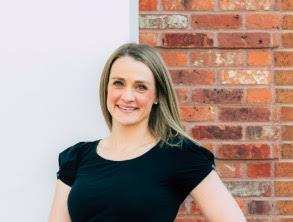
Ali Damron is a wife, mother to two sweet little boys, a licensed acupuncturist and a certified personal trainer for over 11 years. It’s her mission to educate women about the importance of health and teach them how to be healthy. She works with women to provide natural approaches to healing and get them looking and feeling their best. She works with pregnant women, birth educators, and mamas all over the United States and I enjoyed talking with her. 

In this episode, we discuss:

– What is acupuncture and how does it work?

– Constitutions. This has always fascinated me, especially because different lifestyles and diets work for different people.

– Adrenal fatigue, tips for dealing with stress, and preventing burnout

Ali damron

Here’s where you can find Ali:

AliDamron.com

Instagram

Through her podcast, The Ali Damron Show, on iTunes and Stitcher

Thank you so much for listening! If you enjoyed the show, please consider leaving a 5-star rating and short review on iTunes. It helps to increase the visibility of the podcast so more people have access to these healthy living tips.

Listen and subscribe on iTunesStitcher, and Google Play.

For full podcast notes for all episodes, check out fitnessista.com/podcast

The post 008: Acupuncture, stress, and burnout with Ali Damron appeared first on The Fitnessista.


Hyperandrogenism

Male sex hormones, called androgens, are normally present in both men and women, but the normal levels for men are far higher than women. Testosterone is the best-known androgen, and contributes to many of the physical factors that distinguish men from women. More than 80% of women who present with symptoms of hyperandrogenism will eventually be diagnosed with PCOS.

Common features of hyperandrogenism include:

  • Increased facial and body hair growth (hirsutism)
  • Male pattern baldness
  • Acne
  • Lowered tone of voice
  • Menstrual irregularities
  • Clitoral enlargement (in severe cases)

The most common presenting feature of PCOS is hirsutism, affecting an estimated 70% of women. Just as with men, increased testosterone increases the growth of facial and body hair in certain areas, such as the legs, chest, back and buttocks. In other areas, hair loss occurs leading to crown pattern or male pattern baldness. In women, this distribution of hair loss and gain becomes very obvious.

Acne is present in an estimated 15-30% of PCOS patients and only recently recognized as a symptom of hyperandrogenism. However, of women complaining of acne, 40% are eventually diagnosed with PCOS, so it is important to keep it in mind. Deeping of the voice and enlargement of the clitoris indicate fairly severe hyperandrogenism.

Serum androgens may be measured through blood testing. The most useful blood test for hyperandrogenism is serum testosterone levels (total and free) followed by DHEAS (de-hydroepiandrosterone sulfate). Levels of these hormones fluctuate throughout the day and throughout the menstrual cycle, making it harder to define normal and abnormal levels. Nevertheless, 75% of women with PCOS will have an abnormal value, if you look hard enough. Because testosterone levels are not part of the diagnostic criteria, most clinicians do not bother measuring these blood tests.

Androgens also act as precursors to female sex hormones (estrogens) in both men and women. Testosterone may be converted into estrogen, accounting for the ‘man boob’ phenomenon seen in some older and obese men. Excess adipose tissue can convert testosterone to estrogen, causing breast enlargement in both men and women, but only very obvious in men. There are ethnic differences in the sensitivities to androgens, with Caucasians being the most sensitive and Asians being the least.

Menstrual Irregularities

Dr. John Nestler from Virginia Commonwealth University estimates that, “If a woman has fewer than eight menstrual periods a year on a chronic basis, she probably has a 50 to 80 percent chance of having polycystic ovary syndrome based on that single observation”. Irregular, absent or rare menstrual cycles are all common symptoms of PCOS. An estimated 85% of women with PCOS suffer menstrual irregularities.

In PCOS, the main menstrual problems are anovulation and oligo-ovulation. During the normal menstrual cycle, the human egg develops from the primordial follicle. It grows during the first half of the menstrual cycle, and then is released into the fallopian tubes to be carried to the uterus where it awaits fertilization by the sperm. Ovulation is the release of the egg inside the ovary. Anovulation is the term used for the complete lack of ovulation and oligo-ovulation refers to a lower than normal rate of ovulation. The prefix ‘oligo’ comes from the Greek root ‘oligos’ meaning few or scanty. The prefix ‘an’ means ‘not’ or ‘lack of’.

When normal ovulation does not occur, then menstrual cycles may be completely absent (amenorrhea) or may last longer than usual (oligomenorrhea). Irregular menstrual cycles are caused by the failure of ovulation.The lack of ovulation will result in difficulty conceiving and infertility. PCOS is the most common cause of infertility in industrialized nations and also associated with recurrent miscarriages.Having a regular cycle does not mean that ovulation has occurred normally, especially in women with other evidence of hyperandrogenemia. Twenty to 50% of women with signs of excess testosterone and regular periods still have evidence of anovulation.

Over-the-counter ovulation prediction kits use urine strips that test for LH (Leuteinizing Hormone) spikes. LH spikes just before a woman ovulates. Baby-making time! My patients use many of these urine strips during infertile months. Even during months that with menstrual cycle, regular or not (much longer than 28 days), many of those months, women did not have an LH surge, and no ovulation.

Polycystic Ovaries

The Rotterdam criteria defined polycystic ovaries as having the presence of 12 or more follicles in each ovary measuring 2-9 mm in diameter. Follicles are collections of cells in the ovary. During normal menstruation, many follicles begin to develop with one eventually becoming the human egg that is released into the uterus at the time of ovulation. The other follicles normally shrivel up and are reabsorbed into the body. When these follicles fail to shrivel up, they become cystic and appear on ultrasound as ovarian cysts.

PCOS Symptoms infographic. Detailed vector Infographic. Women Health

Two main factors influence the number of cysts. Small (2-5 mm) follicles are related to the serum androgen level and larger (6-9 mm) follicles are related to both the serum testosterone and fasting insulin levels.

Because 20-30% of otherwise normal women may have multiple cysts on their ovaries, the mere presence of cysts is not enough to make the diagnosis of PCOS. There is no correlation between the number of cysts and the severity of PCOS.

Making the Diagnosis

PCOS represents a spectrum of disease. On one end are women with polycystic ovaries but no other abnormalities. These women often have ultrasounds for other reasons, and the cysts are picked up incidentally. On the other end of the spectrum are women with all the various manifestations. The Rotterdam criteria recognized this continuum and grouped patients into 4 different phenotypes.

  • Frank of classic polycystic PCOS (chronic anovulation, hyperandrogenism with polycystic ovaries – 3/3 criteria)
  • Classic non-polycystic ovary PCOS (chronic anovulation, hyperandrogenism but normal ovaries – 2/3 criteria)
  • Non-classic ovulatory PCOS (regular menstrual cycles, hyperandrogenism and polycystic ovaries – 2/3 criteria)
  • Non-classic, mild PCOS (chronic anovulation, normal androgens and polycystic ovaries – 2/3 criteria)

The frank phenotype represents the most severe disease with worse metabolic and cardiovascular risk factors. In contrast, women with non-classic, mild PCOS are at the lowest risk of metabolic disease. Why some women present with hyperandrogenism as opposed to anovulatory cycles is unknown.

While genetic and other factors may conspire to put women along this continuum, their position along this spectrum is likely determined by lifestyle, and particularly their body mass index reflecting obesity. Weight gain moves women towards the severe end of the spectrum. Weight loss, on the other hand, moves women towards the less severe end of the spectrum by improving fertility, ovulatory cycles and hirsutism The broader Rotterdam criteria includes more patients with mild disease. The presence of insulin resistance and metabolic syndrome has been frequently noted, but are not part of the formal definition and affects an estimated 50-70% of PCOS women.

The post Hyperandrogenism – PCOS 3 appeared first on Intensive Dietary Management (IDM).


Power foods for women

Power foods for women

Women have very different nutritional needs due the various changes their bodies go through in their life time. That is where power foods for women come into the picture. These power foods supply the much needed nutrients and vitamins to keep you going and your body functioning optimally.


We all need a good blend of minerals, vitamins and the essential nutrients for a healthy body. But for women, the need for a balanced diet that delivers the best blend of fats, carbs, proteins, minerals and vitamins. Women go through many physical changes through their lifetime, so they have certain special nutritional needs. For instance, women need more of iron and calcium to ensure healthy bones and blood circulation. They also need specific minerals to maintain their hormonal balance. It is easy to get these if they pick the right set of foods which ensure a hearty dose of the essentials.

The power foods to add in your daily diet

You need food that not only builds bones but also provides you energy, maintains your weight and helps to fight diseases.It is important that you add at least few of these power foods for women to ensure healthy body always.

Salmon

As a woman, do not compromise on your daily requirement of omega 3 fatty acid. Salmon is a powerhouse of two kinds of heart-healthy omega-3s, including DHA, a fatty acid essential for a healthy pregnancy. Omega-3 also boosts mood, fights depression, and may protect against Alzheimer’s disease and cancer.

How Much Salmon Do You Need? Eat at least two servings of a fatty fish like salmon each week.

Blueberries

Blueberries are the ultimate anti aging foods. Blueberries are loaded with antioxidants that help to fight wrinkle. Blueberries also help to prevent memory loss.

How Much Blueberries Do You Need? Aim for a half-cup to one cup of any kind of berries a day.

Oats

We all know that oats can help in lowering cholesterol level in the body. Soluble and insoluble fiber present in oats helps to keep you full for a longer period of time so now oats can help you to control your weight as well.

How Much Oats Do You Need? Add oats to your diet throughout the day. The American Heart Association recommends 25 to 30 grams of dietary fiber a day.

Broccoli

This humble green vegetable is a pure winner. Broccoli helps in preventing breast cancer by fighting excess estrogen. Rich in vitamin C and a good source of vitamin A, broccoli helps you feel full on less than 30 calories per serving. And it gets bonus points for fiber, folate (folic acid), calcium, iron, and potassium. Cooked or raw, broccoli delivers a nutrient punch.

How Much Broccoli Do You Need? Eat two or more half-cup servings of cooked broccoli per week.

Walnuts

Eating just a handful of walnuts a day can help you lower cholesterol, boost brain power, sleep better, cope with stress, prevent heart disease, fight cancer, and more.

How Much Walnuts Do You Need? Have one ounce daily.

Red Beans

Red beans are nutrition dynamos because they are rich in antioxidants and packed with protein, folate, minerals, and fiber, including resistant starch.

How much red beans do you need? Enjoy three cups of cooked beans a week.

Greek Yogurt

We love its thick, creamy texture and tangy taste. But when it comes to yogurt, there are plenty more reasons you will want to go Gr eek. It is rich in calcium and good for our bones. In fact, one serving supplies nearly one-fourth of a woman’s daily calcium needs, and the fat-free variety is packed with twice as much protein as regular yogurt. Fat-free Greek yogurt is also high in probiotics, cultures that can help ease irritable bowel syndrome, a condition that affects mostly women.

How much Greek yogurt do you need? Have at least three servings of dairy a day; fat-free Greek yogurt is a good choice.

Dark Chocolate

Rich in heart-protective antioxidants, dark chocolate can help reduce the risk of stroke and heart disease. It’s loaded with magnesium, manganese, copper, zinc, and phosphorus – all important for strong bones. Studies suggest chocolate may also help hydrate the skin, lower blood pressure, and sharpen thinking. And then there’s the fun factor. Chocolate is a sensual pleasure, something women often don’t get enough of in their food. We say, let the pleasure begin.

How much dark chocolate do you need? Eat just one-quarter ounce a day. And be sure to look for kinds made with at least 70% cocoa.

Avocados

Avocados are rich in mono saturated fats, which helps to keep you fuller longer. Eating avocados help you reduce belly fat effectively. This is a power food for women which gives you 23 percent of the daily requirement of fat. It is low carb, and high fiber food, so you stay fuller longer minus the added calories.

How much avocados do you need to eat? Eat half an avocado daily for the good fat and fiber.

So ladies, go ahead gorge on these amazing  power foods for women. Ensure a healthy mind and body. 

QUICK BYTES 

What are power foods for women?

Power foods for women are a group of fruits, vegetables, dairy, and lean meats that give your body all the essential minerals to ensure healthy mind and body. 

Can I overeat these power foods for women?

These are all healthy food choices which not only balance your body but also help in weight loss. But you must east all of this in moderation for maximum health benefits. 

Why is it important eat these power foods for women?

It is important to eat these types of food to ensure your body is getting the right amount of calcium and iron for healthy bones and blood circulation. These also help in bringing a balance to your hornmones, and protect you from diseases caused by hormonal imbalance.

Also, talk to our expert Truweight Nutritionist today for in-depth understanding of health, fitness and nutrition. The first consultation is on us! Click here to avail.   


The post Add These 9 Power Foods For Women In Your Weight Loss Diet appeared first on Truweight Blog.


MKRdezign

Contact Form

Name

Email *

Message *

Powered by Blogger.
Javascript DisablePlease Enable Javascript To See All Widget